Unregulated Irrigation Driving Saltwater Intrusion Along Volta Coast – KNUST Researchers

Anloga (Volta Region) – July 2026
Researchers from the Kwame Nkrumah University of Science and Technology (KNUST) have raised concerns over the increasing rate of saltwater intrusion into freshwater sources in the Keta coastal area, warning that the situation could have serious implications for agriculture, livelihoods and water security if urgent measures are not taken.
The concern forms part of ongoing investigations under the TIDEKIT Project (Protecting the Coast and Heritage of Keta Using Integrated Geophysical Methods), which is assessing coastal hazards, including saltwater intrusion, shoreline changes and the impact of sea-level rise on vulnerable communities.
Speaking to Veritas News GH during a working visit to Keta, the Project Lead and Senior Lecturer at KNUST’s Department of Physics, Dr Cyril Dziedzdorm Boateng, said their research has revealed a significant movement of the saltwater interface closer to the surface compared to previous years.
He explained that data collected in 2007 showed the saltwater interface was located much deeper underground, but recent observations from 2025 and 2026 indicate that the intrusion has become more aggressive, with saltwater now approaching near-surface levels in some areas.
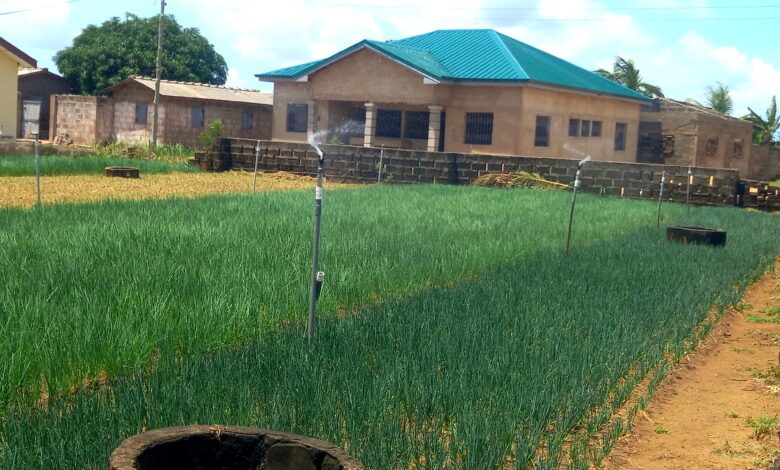
According to him, one of the major factors contributing to the increasing intrusion is the excessive and unregulated extraction of groundwater for irrigation activities, particularly among vegetable farmers along the coastal area.
Dr Boateng noted that many farmers rely on water pumps to draw groundwater from boreholes for farming without adequate monitoring or regulation, a practice which can disturb the natural balance between freshwater and seawater underground and accelerate saltwater intrusion.
He stressed the need for a coordinated groundwater management system that regulates extraction levels, monitors underground water conditions, and promotes sustainable irrigation practices to protect freshwater resources for future generations.
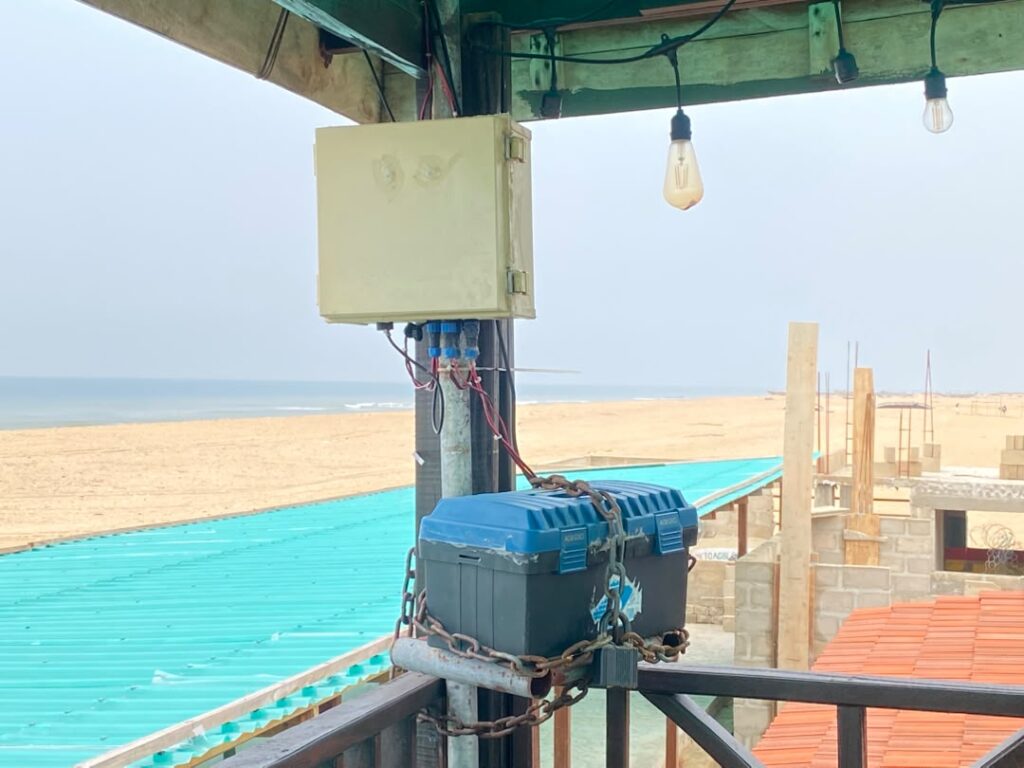
Mr Eric Hovor, Researcher at KNUST and a key member of the TIDEKIT Project, who also spoke to Veritas News GH, called for continued investment in scientific monitoring systems to provide real-time data on groundwater conditions, shoreline changes and other coastal hazards.
Dr. Boateng appealed to the Government of Ghana and development partners to support the sustainability of the TIDEKIT Project through continued funding, noting that long-term scientific monitoring is essential for effective coastal management and climate adaptation.
Many coastal communities along the coast, including Adafienu, Adina, Tegbi, Woe, Anloga, Dzita and others, heavily engage in commercial vegetable cultivation crops like tomatoes, okra, lettuce, shallots, pepper, spring onion, etc farming where mechanised boreholes are powered to provide an all-year-round irrigation system, contributing to the situation
The TIDEKIT Project, funded by the Office of Naval Research Global (USA), seeks to generate scientific evidence to support coastal protection policies, improve early warning systems, monitor saltwater intrusion and develop sustainable solutions for communities affected by climate change along Ghana’s eastern coastline.