Enyonam Apetorgbor Calls for “Keta-Anlo Disaster Resilience Fund” Amid Rising Climate Threats


Accra — July 2026
Mrs Enyonam Adzo Apetorgbor, Chief Executive Officer of the Keta Investment Promotion Centre (KIPC), has called on major businesses operating in Keta and the wider Anlo area to support the establishment of a Keta-Anlo Disaster Resilience and Recovery Fund to strengthen coastal communities’ preparedness and response to recurring environmental disasters.
She said the proposed fund would provide a coordinated framework through which corporate institutions, local authorities and community stakeholders could support emergency response, livelihood recovery and long-term resilience initiatives for communities affected by tidal waves, coastal erosion and flooding.
According to her, Keta and neighbouring coastal communities have endured years of environmental challenges as a result of climate issues that have disrupted livelihoods, damaged infrastructure and exposed households, businesses and public institutions to increasing vulnerabilities.
“Corporate social responsibility must no longer be treated as an occasional gesture or a public relations exercise. Businesses that have grown and prospered through the trust, patronage and resources of the people of Keta and Anlo have a shared responsibility to help protect those same communities from the devastating impacts of coastal disasters. The time has come for the private sector to move from sympathy to sustained action,” she said.
Mrs Apetorgbor noted that coastal disasters not only affect residents but also have direct consequences on businesses whose operations depend on the economic activities, labour and patronage of the affected communities.
She therefore urged banks, hotels, telecommunications companies, fuel stations, supermarkets and other major businesses operating in the area to move beyond occasional relief donations and invest in structured resilience programmes that provide sustainable support before, during and after disasters.
The proposed Keta-Anlo Disaster Resilience and Recovery Fund, she explained, could support initiatives including emergency relief assistance, recovery financing for affected businesses, support for vulnerable households, assistance to schools and health facilities, and community-based disaster preparedness programmes.
“A well-governed Keta-Anlo Disaster Resilience Fund would do more than provide emergency relief. It would restore livelihoods, help small businesses recover, get schools and health facilities back to work after disasters, support climate adaptation initiatives and build stronger, more resilient coastal communities. Ultimately, it would safeguard both the lives of our people and the local economy on which businesses themselves depend,” she said.
Mrs Apetorgbor stressed that corporate social responsibility must be strategic, measurable and aligned with the realities of host communities, particularly those facing climate-related risks.
She called for stronger collaboration among businesses, traditional authorities, the Keta Municipal Assembly, civil society organisations and residents to build a resilient coastal economy capable of withstanding future shocks.
She added that investing in disaster resilience was not only a social responsibility but also a way of protecting the economic ecosystem that sustains businesses operating in the area.
“When a community thrives, businesses thrive. Investing in disaster resilience is not an act of charity; it is an investment in economic stability, customer confidence and the long-term sustainability of both the community and the private sector,” she added.
In her call, Mrs Apetorgbor urged major businesses operating in Keta and Anlo, including financial institutions such as GCB Bank, to prioritise their corporate social responsibility obligations by investing meaningfully in the development and resilience of their host communities.
She noted that communities such as Keta Central, which have supported businesses through decades of patronage and economic activity, deserve visible and sustained investments that improve livelihoods, strengthen local economies and enhance community wellbeing.
She urged businesses to reinvest in the people who sustain their operations by supporting initiatives that promote economic empowerment, disaster preparedness and long-term development.
Coastal communities in Keta, Anloga and parts of Ketu South have in recent years experienced a series of life-threatening environmental disasters largely linked to the growing impacts of climate change.
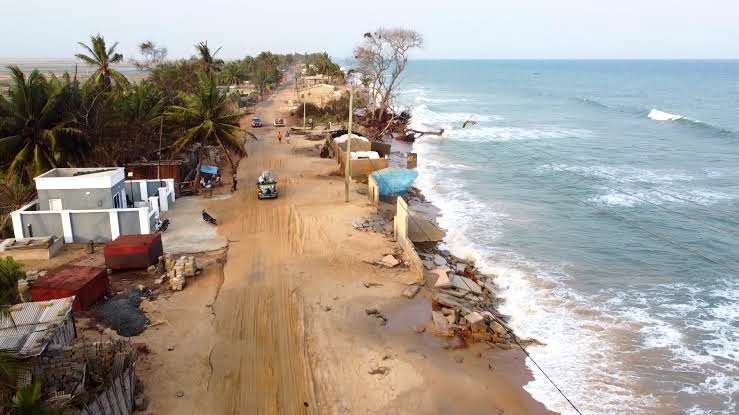
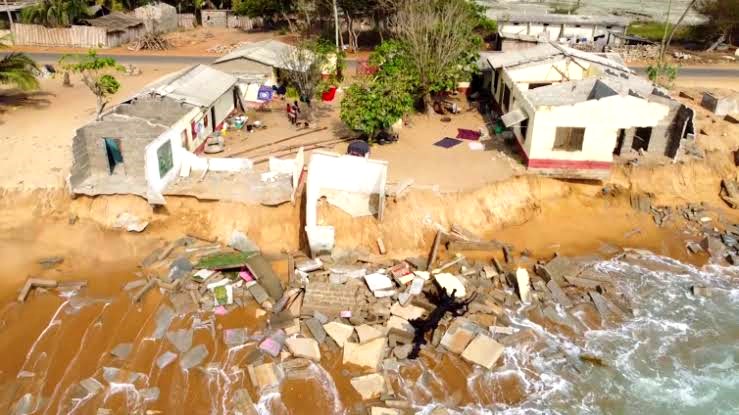
For decades, communities along the coastline from the Volta Estuary to Ketu South have battled recurring tidal surges, coastal erosion and the gradual loss of land and livelihoods. Communities including Fuveme, Dzita, Agavedzi, Abutiakofe, Keta Central, Kedzi, Horvi and Blekusu have suffered the devastating effects of sea erosion, with some benefiting from sea defence interventions aimed at protecting lives, homes and critical infrastructure.
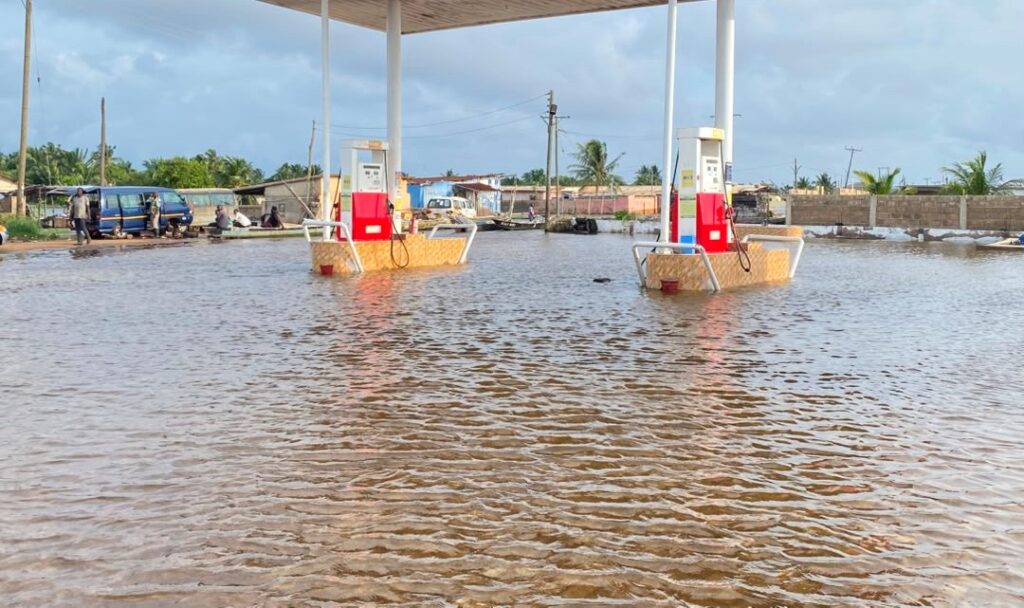
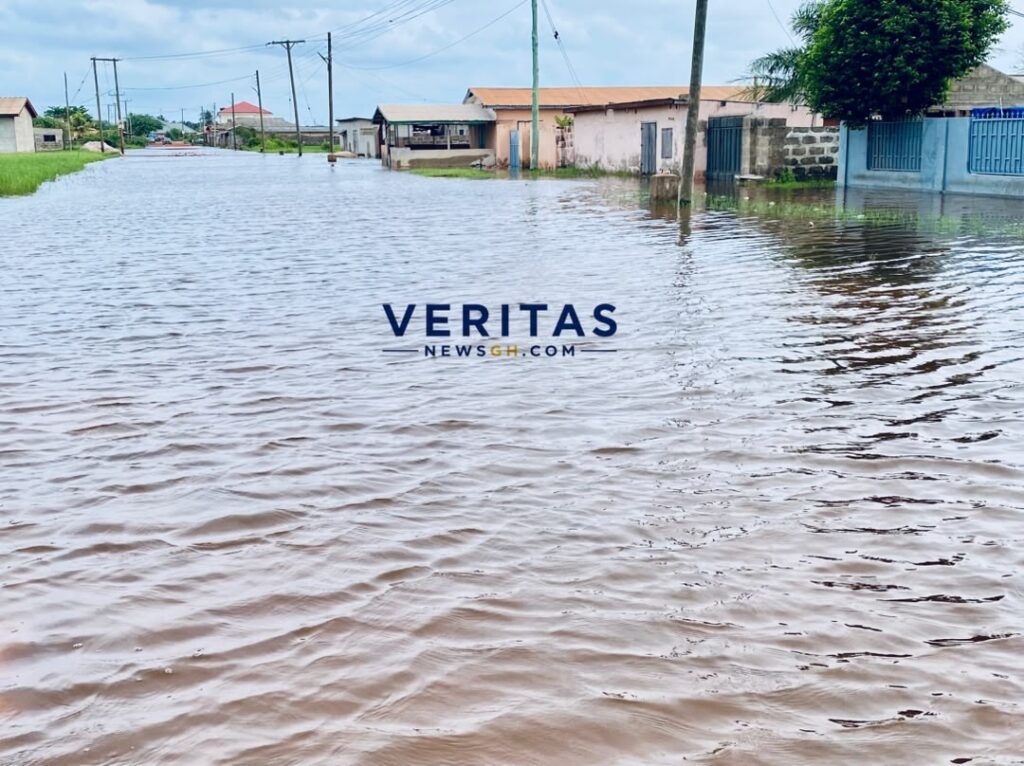
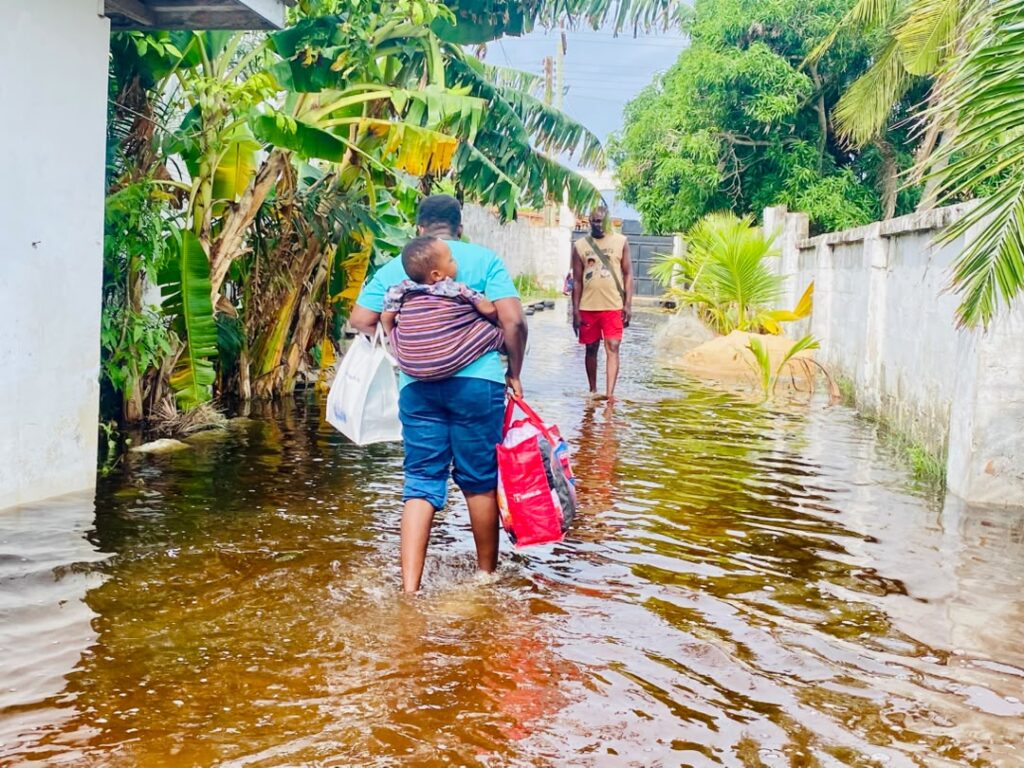
More recently, the overflow of the Keta Lagoon following heavy rains resulted in severe flooding across parts of Keta, Anloga and Ketu South, submerging several communities including Keta, Kedzikofe, Vui, Faixor, Blemazado, Anyako, Seva, Afladenyigba and Agavedzi, among others.
These recurring climate-related disasters continue to threaten livelihoods, disrupt economic activities and expose coastal residents to increasing vulnerability, highlighting the urgent need for stronger resilience and adaptation measures.