
Hohoe (V/R) – October 2026
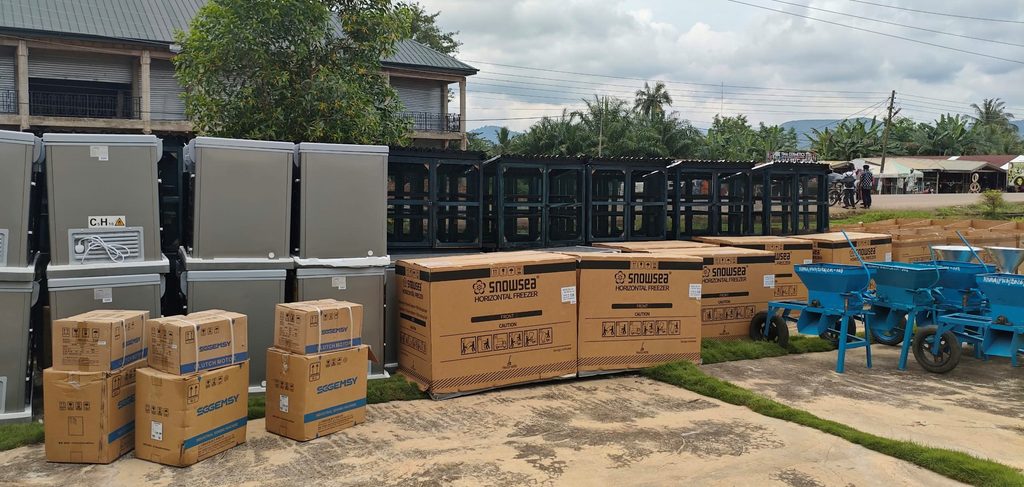
The Hohoe Municipal Assembly has supported some 132 Persons Living with Disability with livelihood equipment and an amount of GH¢500 each as start-up capital to enable them to establish or expand income-generating activities.
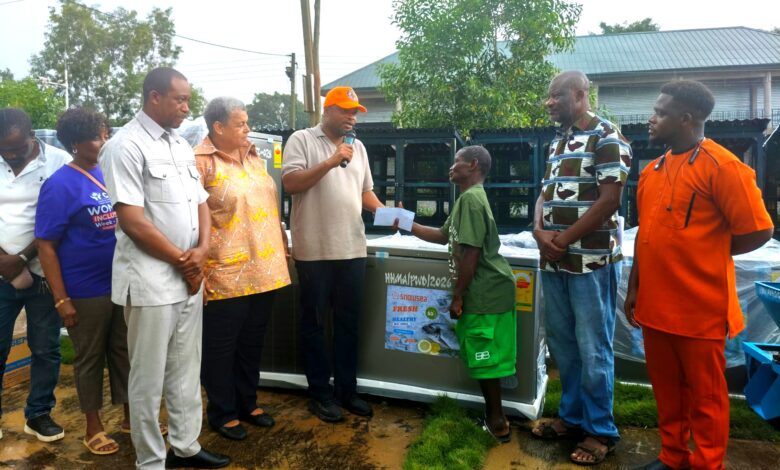
The intervention, implemented through the Social Welfare and Community Development Department, was presented at a ceremony at the Hohoe Municipal Assembly on Monday, October 5, 2026.
The equipment included freezers, fufu-pounding machines and other items intended to support beneficiaries in developing sustainable livelihood ventures.
According to the Municipal Chief Executive, Mr Prosper Kumi, the presentation was meant to support these vulnerable group of people to enable them live a comfortable live and support their livelihood.
He said the intervention was aimed at helping beneficiaries become economically active, improve their livelihoods and work towards self-reliance.
“The purpose of this support is to enable you to become economically active and improve your livelihoods. I therefore urge you to put the equipment and start-up capital to productive use.”
He urged the beneficiaries to put the items to productive use and ensure that they served the purposes for which they were provided.
The Member of Parliament for Hohoe, Mr Thomas Worlanyo Tsekpo, also encouraged the beneficiaries to make effective use of the equipment and financial support to build sustainable sources of income.
The Deputy Minister for Works and Housing, Ms Gizella Tetteh, who also witnessed the ceremony, called on them to keep the equipment clean and properly maintained to ensure its durability.
She further urged the beneficiaries to use the items strictly for their intended purposes and turn the support into sustainable economic opportunities.
She also called on the general public to embrace and support persons living with disabilities, rather than isolating or discriminating against them, noting that social exclusion could have serious psychological effects on their well-being.
Authorities said beneficiaries were expected to put the equipment into use within two weeks, stressing the need for the intervention to translate into immediate and sustainable livelihood activities.
The beneficiaries expressed appreciation to the Assembly and other stakeholders for the support and pledged to use the equipment and start-up capital for their intended purposes.
Credit:- Robertha Bubune Fiatorwogbor