GAIA Africa Equips Journalists with Climate Reporting Skills Ahead of Africa Zero Waste Academy

Story By:- Emmanuel Gameli Dovia
Accra, Ghana — July 2026
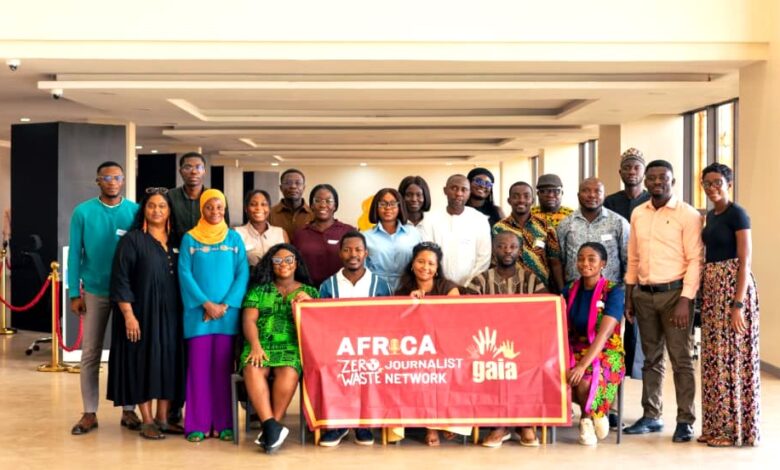
GAIA Africa has trained Ghanaian journalists in climate and zero waste reporting as part of efforts to strengthen environmental journalism ahead of the second edition of the Africa Zero Waste Academy scheduled for Kpone in the Eastern Region.
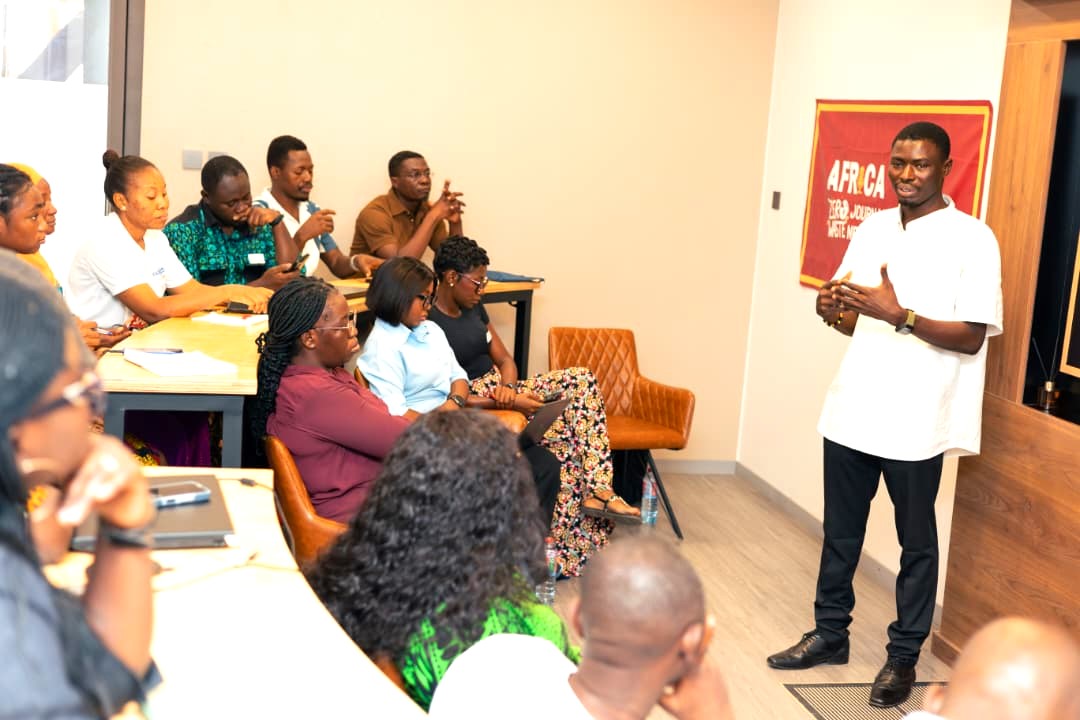
The training, organised for members of the Africa Zero Waste Journalists (AZWJ) network, focused on improving journalists’ understanding of climate science, practical zero waste solutions, and innovative storytelling techniques to enhance reporting on environmental challenges.
It marked the first face-to-face engagement of the AZWJ network since its launch in 2024, following a series of quarterly virtual workshops aimed at building the capacity of journalists and expanding membership across Africa.
According to Ibrahim Khalilulahi Usman, Communications Associate at GAIA Africa and Coordinator of the AZWJ network, the transition from virtual engagements to an in-person session was aimed at strengthening collaboration among journalists and equipping them with practical skills to report on waste, pollution, and climate resilience.
“The shift from virtual to in-person training is about more than convenience. It is an opportunity to build trust, share lived experiences and equip reporters with the practical skills they need to hold power to account on waste, pollution and climate resilience,” he said.
The day-long workshop covered key areas including climate science, zero waste as a climate solution, and the use of short-form videos such as social media reels to make climate stories more accessible to wider audiences.
Facilitators used practical examples from Ghanaian communities, including coastal erosion in the Volta Region and urban flooding in Accra, to demonstrate how journalists can develop impactful environmental stories.
One of the sessions, led by Hafiz Larry Alhassan, focused on using social media reels to amplify climate reporting.
“Reels are not just a trend; they are a tool for engagement. A well-crafted 30-second clip can make complex science accessible, spur community action and reach audiences that traditional reporting often misses,” he said.
Participants were also encouraged to critically examine climate claims and identify false solutions, including initiatives that are presented as climate action but may continue to harm communities or increase pollution.
Carissa Marnce, Africa Communications Manager at GAIA Africa, urged journalists to strengthen evidence-based reporting and expose greenwashing.
“Journalists must be able to spot greenwashing and question projects that are presented as climate action but fail to reduce emissions or harm local communities,” she said.
The zero waste session, facilitated by Desmond Alugnoa, GAIA Zero Waste and Climate Manager, highlighted how waste reduction, reuse, recycling, composting, and community-led initiatives can help reduce emissions, create green jobs, and improve public health.
Participants engaged in group discussions to develop climate story ideas and explore ways of producing compelling environmental content with limited resources.
The workshop also served as a platform to strengthen collaboration among environmental journalists across Africa, with organisers expressing hope that it would lead to joint investigations, regional reporting projects, and sustained peer support.
As climate impacts intensify across the continent, GAIA Africa says well-informed and locally grounded reporting remains critical in shaping public understanding and influencing policy decisions.
The AZWJ network plans to continue its quarterly training programme through a combination of virtual and physical engagements to expand the reach and impact of climate journalism across Africa.