Undoubtedly, the country has made substantial progress in expanding electricity access and strengthening its power sector over the past decade.
Yet, for households, businesses and industries, the most important measure of an electricity system is not simply the amount of generation capacity installed. It is whether electricity is available when it is needed.
Growth and energy demands
That distinction is becoming increasingly important as the country’s economy grows, electricity consumption rises and the country seeks to expand industrial production, digital infrastructure and access to essential services.
History
The Energy Commission, in its 2026 outlook, estimates that Ghana will have significant dependable generation capacity available to meet demand, however, the commission also acknowledges that planned maintenance, unexpected technical outages due to aged power plants, fuel-supply constraints and other operational challenges reduce the amount of electricity actually available at a given moment.
Again, GRIDCo’s medium-term projections similarly indicate that Ghana will need additional dependable capacity to maintain the reserve margin required for a reliable system as demand grows.
Ghana politics news
This raises a question that deserves greater attention in the country’s energy debate – not only how much generating capacity does the country have, but how much of that capacity is dependable, dispatchable and available when the wider system comes under pressure?
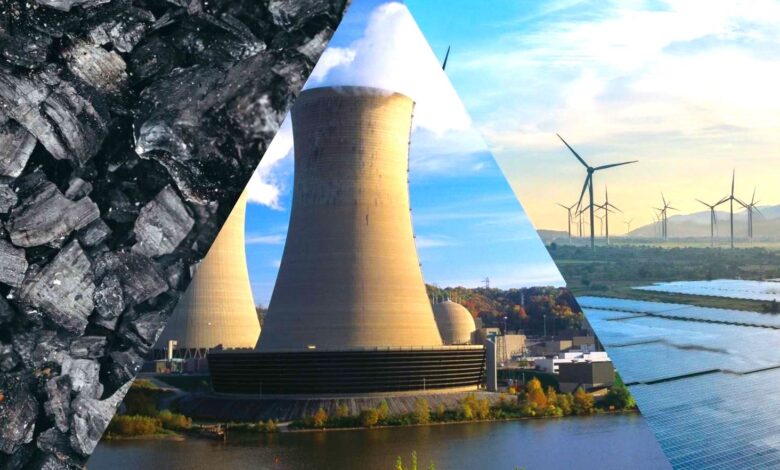
Ghana’s electricity mix includes hydropower, thermal generation fuelled primarily by natural gas, solar power and limited electricity imports.
Each source contributes differently to the system.
Hydropower has been central to Ghana’s development, but its output can be affected by hydrological conditions and the need to manage water resources carefully.
It is also a fact that the current infrastructure within the balance of the Akosombo Hydro power plant may create additional risk of unexpected blackouts nationwide, as experienced recently.
Thermal plants provide substantial generation but depend on reliable fuel supplies and the technical availability of generating units.
However, the age of current installed base and the real efficiency of such power plants introduce a substantial reliability risk and efficiency losses.
Solar and other renewable technologies can help diversify the mix and reduce emissions, although these types of generation cannot be primary for nationwide grid since their output varies with weather conditions and the time of day.
Installed capacity, therefore, does not always translate directly into electricity that system operators can call upon immediately.
A power system also requires an operating reserve: capacity that can respond when demand increases unexpectedly or when another generating unit becomes unavailable.
Projections
GRIDCo’s planning framework uses an 18 per cent operating reserve margin as the benchmark for generation adequacy.
Its projections indicate that existing generation resources may fall short of that requirement from 2026 unless additional capacity and planned projects are brought online.
Source:- graphic.com