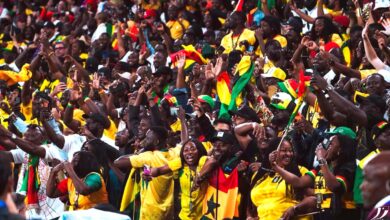
2026 FIFA WORLD CUP: Final half-time Expected to last 25 Minutes, Defying Established Rules

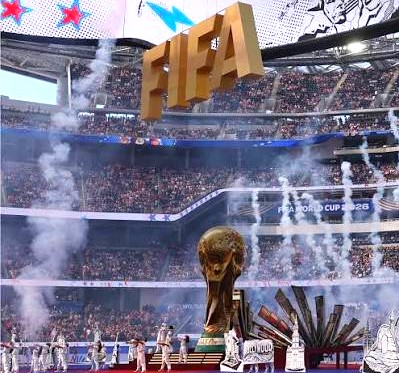
FIFA is targeting a half-time interval of approximately 20 to 25 minutes for the 2026 World Cup final at MetLife Stadium in New Jersey, potentially exceeding the standard 15-minute break mandated by the International Football Association Board (IFAB). The governing body plans to host the tournament’s first-ever on-pitch musical performance during the match. While FIFA describes the event as a “landmark celebration at the intersection of sport, music and global impact,” the decision has sparked significant debate regarding the integrity of the game’s established rules.
Divergence from the Laws of the Game
At the center of the controversy is a conflict between FIFA’s commercial vision and the Laws of the Game governed by IFAB. The official rulebook states that the half-time interval “may be altered only with the referee’s permission” and should not exceed 15 minutes. While FIFA has not officially confirmed the total duration, reports suggest the extension is necessary to facilitate the setup and breakdown of staging directly on the playing surface. The Ghana Broadcasting Corporation (GBC) has requested comment from FIFA, but the organization did not immediately respond. This divergence is viewed by critics as an “Americanization” of the sport, drawing parallels to NFL protocols where players often spend 20 to 30 minutes off the field during Super Bowl half-time shows.
A star-studded entertainment lineup
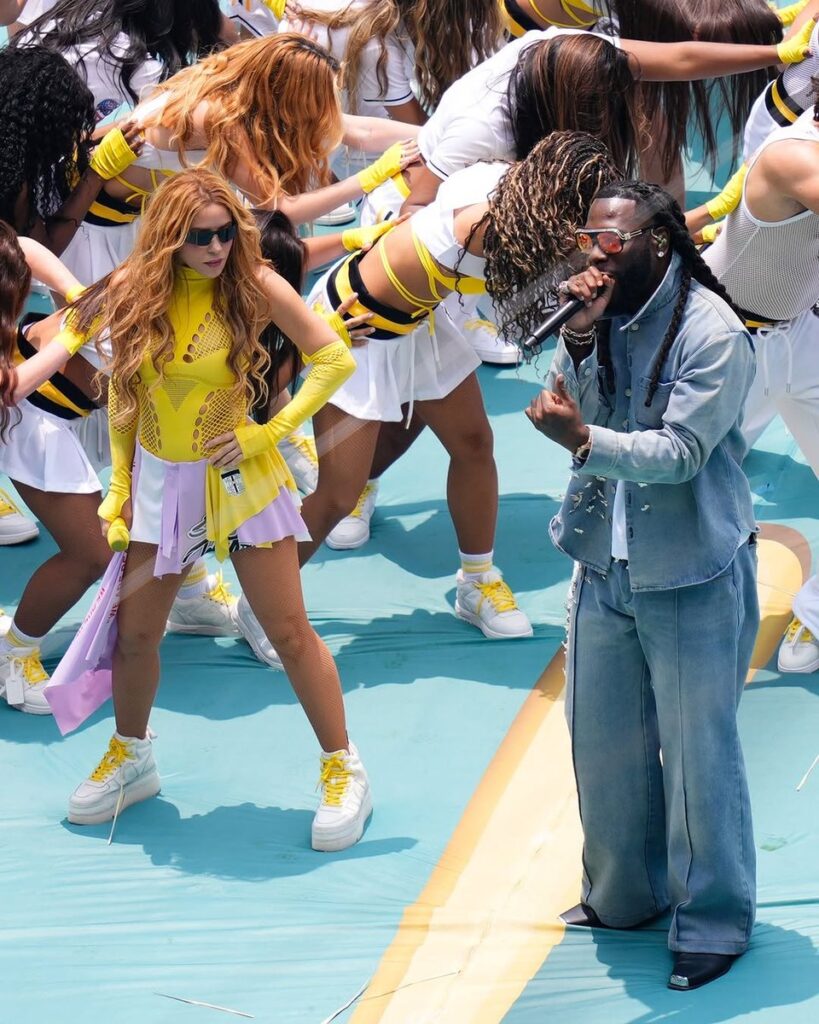
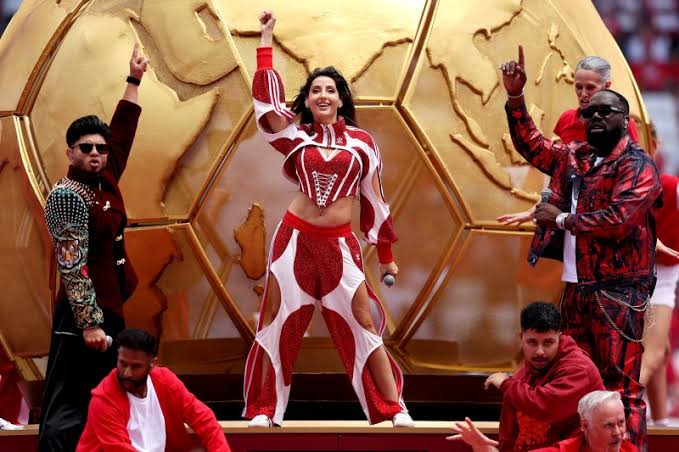
The half-time show is curated by Coldplay’s Chris Martin and features a high-profile roster, including Madonna, Shakira, Justin Bieber, and BTS. Performers also include Burna Boy, Venezuelan conductor Gustavo Dudamel, and the PS22 Chorus. Additionally, characters from Sesame Street and The Muppets will appear during the segment. According to organizers, the musical performance itself is expected to last approximately 11 minutes. The event is co-produced by Global Citizen, and sources report that the artists are not receiving a performance fee. The show is tied to the FIFA Global Citizen Education Fund, which seeks to raise $100 million to “expand access to quality education and football opportunities for children worldwide.”
Logistical and competitive concerns
The logistical requirement of erecting a stage on the pitch creates a unique challenge that diverges from standard match protocol. While a performance during the 2025 Club World Cup final at the same venue lasted approximately 24 minutes, that show took place on a stage located in the stands. Direct interaction with the playing surface poses new challenges. Similar interruptions have occurred in other tournaments; for instance, during the Copa America final, teams waited approximately 26 minutes for a performance by Shakira. Athletes and coaches, who are not accustomed to such prolonged delays, have raised concerns about the impact on physical rhythm and potential injury risks.
Broader implications for the sport
The shift toward a high-production entertainment format underscores a growing trend of integrating major spectacles into high-stakes fixtures. The final is scheduled to kick off Sunday, July 19 at 15:00 ET / 19:00 GMT, with a closing ceremony preceding the match at 13:30 ET / 17:30 GMT. The closing ceremony will feature performances by Tom Cruise, Laura Pausini, Nicole Scherzinger, Robbie Williams, and IShowSpeed, with Jennifer Hudson performing a special rendition of the U.S. national anthem. The final match will feature Spain against the winner of the England vs. Argentina semi-final—the tension between the sport’s history and its evolving commercial requirements remains a focal point. While these changes reflect FIFA’s ambition to elevate the World Cup’s global profile, they also invite ongoing scrutiny regarding whether such interventions prioritise entertainment value at the potential expense of athletic consistency.
Credit:- Nana Karikari-(GBC)