
Peace Council Promotes “Do No Harm” Approach to Conflict Prevention Among Anloga Assembly Members

Anloga (V/R) — August 12 2026
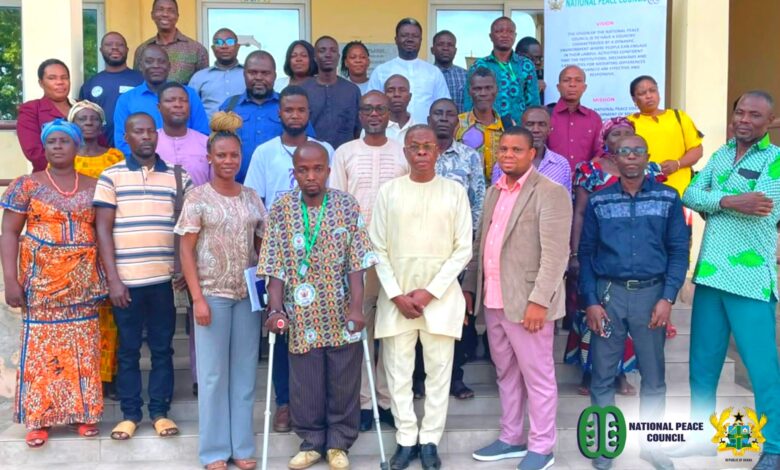
The National Peace Council has trained some Assembly Members in the Anloga District of the Volta Region on peacebuilding, conflict analysis and early warning as part of efforts to strengthen their capacity in conflict identification
The training, which benefited more than 40 people, comprised Assembly members and staff from various departments in the Anloga District Assembly. Held on August 11, 2026, at the Anloga District Assembly Hall and was organised by the Volta Regional Secretariat of the Peace Council to equip local leaders with practical skills to identify, assess and respond appropriately to emerging tensions within their communities.
The engagement focused on helping participants understand the causes, actors and dynamics of conflicts, recognise early warning signs and take timely and appropriate action before disputes develop into serious confrontations.
Chairman of the Volta Regional Peace Council, Rev. Seth K. Mawutor, reminded participants that peace went beyond the mere absence of conflict and required justice, dignity, understanding and mutual respect.
He urged them to listen attentively to their constituents, promote dialogue and reconciliation, and address grievances and tensions at the community level before they escalated into conflicts.
The Regional Executive Secretary of the Peace Council, Dr David Esinu Yao Normanyo, stressed the importance of understanding the nature and underlying causes of a conflict before attempting to intervene.
He advised the participants to verify information, understand institutional mandates, apply the “Do No Harm” principle and use appropriate referral mechanisms when dealing with sensitive disputes.
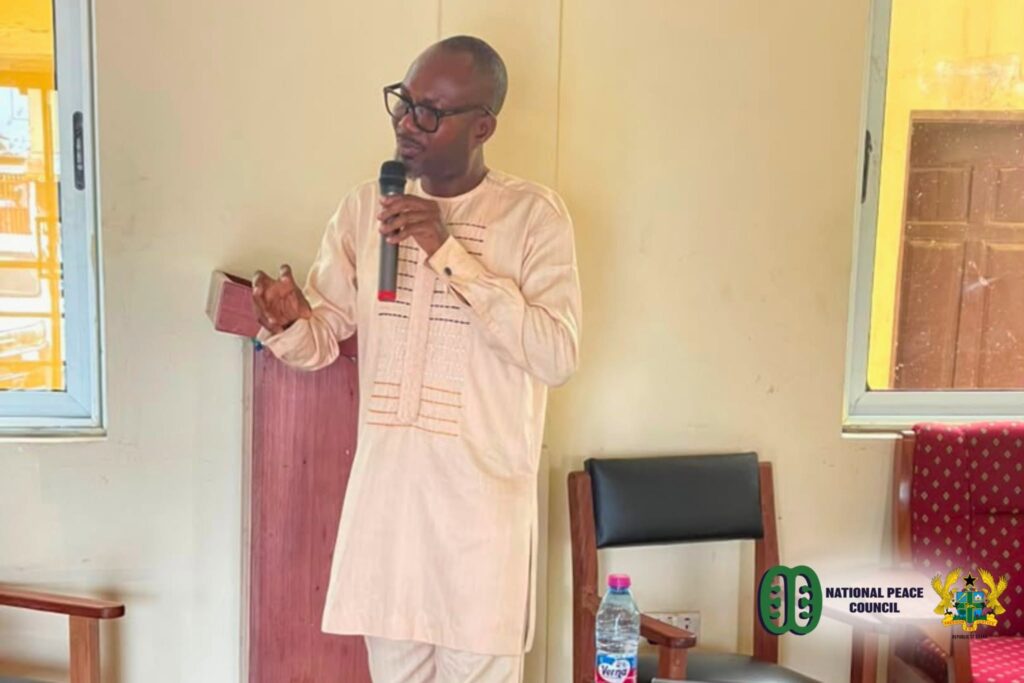
The training also highlighted the critical role of Assembly Members as community-level leaders who are often among the first to encounter emerging tensions, grievances and disputes within their electoral areas.
Participants were therefore encouraged to strengthen collaboration with traditional authorities, security agencies, community leaders and other relevant institutions to improve early warning, information sharing and conflict prevention.
The Peace Council noted that effective peacebuilding must begin within communities where people live and interact every day, making the capacity of local leaders essential to preventing conflicts, promoting social cohesion and creating an environment conducive to development.
The “Do No Harm” principle therefore requires local leaders to carefully understand the causes and dynamics of conflicts, verify information and assess the possible consequences of any intervention before taking action. By avoiding actions that could deepen divisions, fuel tensions or unintentionally escalate disputes, Assembly Members can help promote dialogue, protect community relationships and strengthen peaceful coexistence at the local level.
The initiative is therefore expected to strengthen early intervention and peaceful dispute resolution in the district, while empowering Assembly Members to play a more effective role in identifying potential conflicts and helping to resolve them before they threaten community peace and stability.