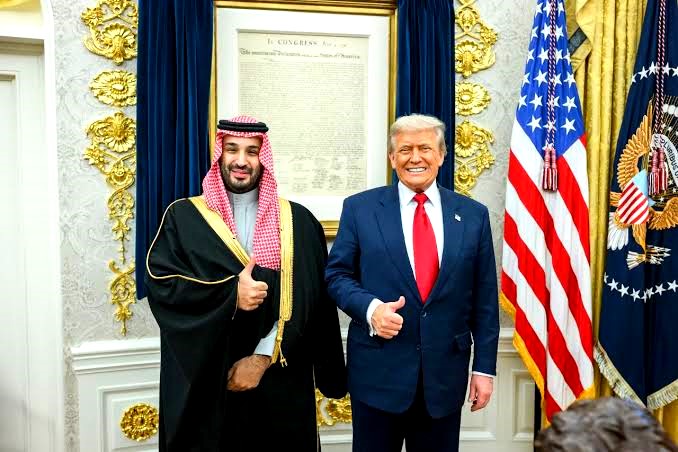
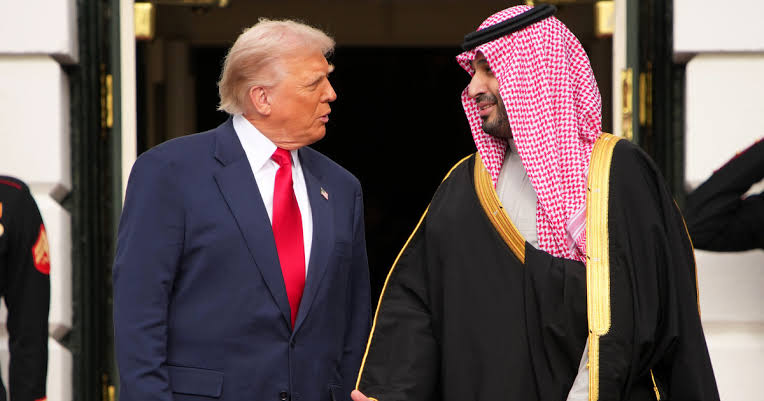
The United States and Saudi Arabia have officially formalised a landmark civilian nuclear partnership, bridging decades of diplomatic manoeuvring into tangible economic and strategic reality. The Department of Energy announced the signing of the agreement, marking a profound shift in Middle Eastern policy under President Donald Trump.
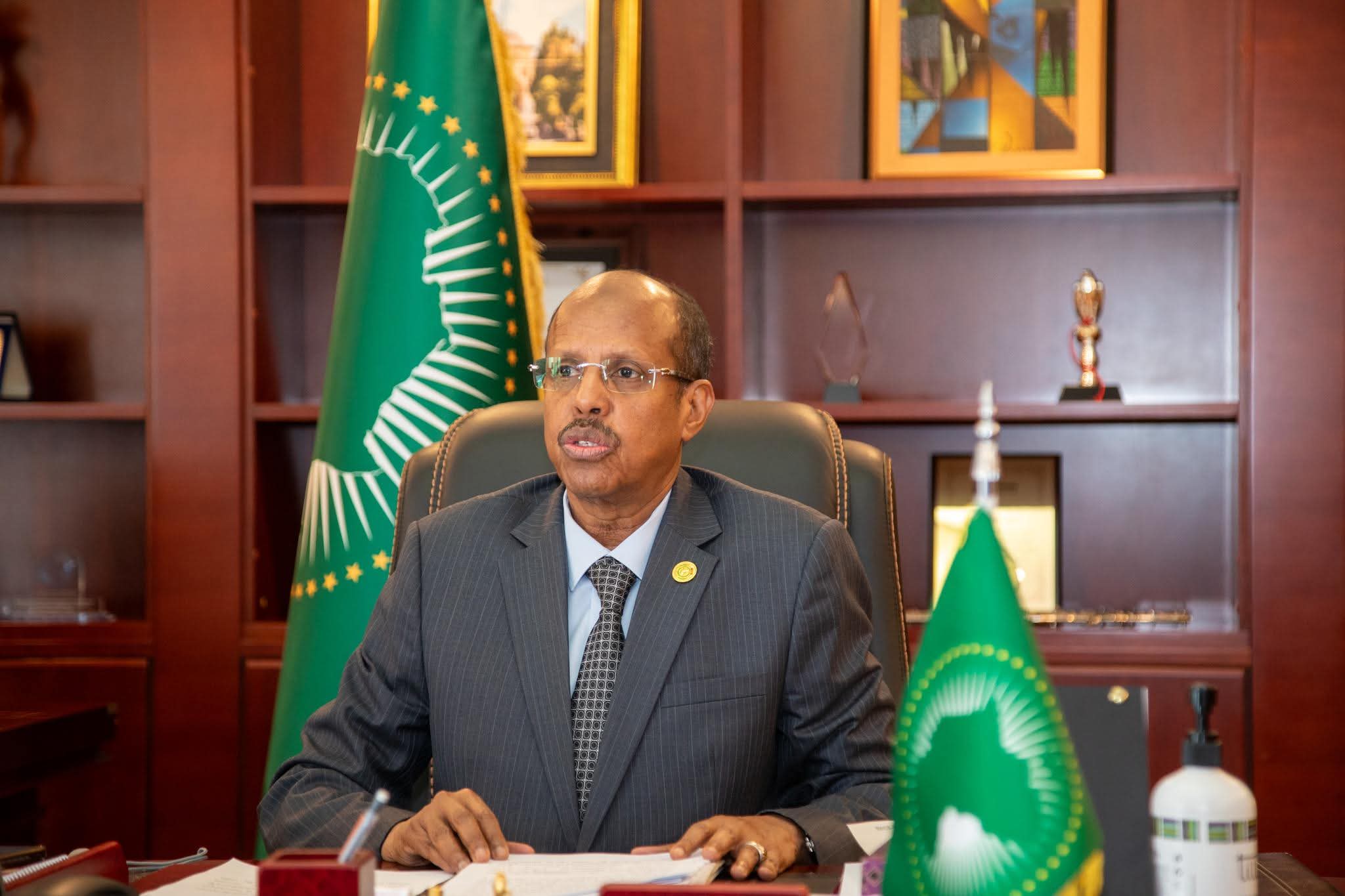
Energy Secretary Chris Wright and Saudi Minister of Energy Prince Abdulaziz bin Salman signed the peaceful nuclear cooperation agreement alongside an accompanying bilateral safeguards agreement. Together, these two instruments establish the legal framework for a long-term partnership valued in the multi-billions of dollars.
Administration officials confirmed that the president granted approval for the pact prior to its public unveiling. American corporations stand positioned to construct the kingdom’s nascent civil nuclear power program from the ground up. This monumental arrangement arrives against the backdrop of an ongoing military conflict involving the United States, Israel, and Iran.
Proliferation Safeguards and Domestic Enrichment
The exact text of the accord remains undisclosed to the broader public, fueling intense debate regarding its strictness. Sources familiar with the framework indicate it lacks the most rigorous level of United Nations inspections and omits an explicit ban on uranium enrichment or spent fuel reprocessing.
The arrangement could permit American enterprises to build a domestic uranium enrichment facility inside the kingdom. This potential development remains contingent upon the completion of a joint bilateral study examining technical and operational feasibility.
Secretary Wright defended the integrity of the initiative during the rollout. “Rest assured, these agreements uphold the highest standards of nuclear safety and nonproliferation, while relying on the world’s best nuclear technology and scientists, designed right here in the United States,” he stated.
Secretary of State Marco Rubio echoed those defensive assertions while traveling abroad. “The U.S. is not going to reach any agreement with any country in the world that leads to the risk of proliferation,” Rubio maintained when pressed by reporters on potential dangers.
Geopolitical Realities and Regional Ramifications
The timing of the nuclear pact coincides with escalating hostilities between Washington and Tehran. Saudi Arabia serves as a host for critical American military installations that have faced direct threats and strikes from Iranian forces and regional proxies.
Previous diplomatic efforts tied any potential Saudi enrichment rights directly to the normalization of diplomatic relations with Israel. However, that prerequisite appears to have been bypassed in the final negotiations. Analysts suggest that missing linkage could alter regional calculations significantly.
Independent experts continue to sound alarms over the potential long-term risks associated with domestic enrichment capabilities. “Any deal without appropriate guardrails would be concerning from a proliferation perspective,” warned Darya Dolzikova, a senior research fellow with the proliferation and nuclear policy program at the Royal United Services Institute. “Any country, period, but particularly countries of proliferation concern have to be really, really robust on their nonproliferation provisions,” she added.
Rosemary Kelanic, director of the Middle East program at Defense Priorities, highlighted the unprecedented nature of the arrangement. “It would be quite shocking if the agreement includes the United States helping Saudi Arabia establish domestic enrichment infrastructure on its soil,” she explained, noting that producing indigenous fuel drastically elevates proliferation risks.
Additional skepticism stems from past statements made by high-ranking Saudi leadership regarding regional rivalries. Crown Prince Mohammed bin Salman previously warned that his government would pursue an atomic weapon immediately if Iran successfully developed one.
Legislative Hurdles and Domestic Political Friction
The agreement now moves to Capitol Hill for mandatory congressional review. While lawmakers retain the legal authority to vote on the package, blocking the pact would require a difficult veto-proof majority in both the House and the Senate.
The political battle lines within Washington are already drawn sharply along party lines. Critics argue the administration is exposing the region to severe hazards by loosening traditional nonproliferation standards.
Massachusetts Democratic Senator Edward Markey mounted a fierce public attack against the White House and the Department of State. “They are allowing Saudi Arabia, a belligerent and authoritarian nation, to develop nuclear weapons technologies while starting a war with Iran under the guise of preventing an Iranian nuclear bomb,” Markey declared, criticizing what he termed extreme hypocrisy.
International policy analysts emphasize that the ultimate trajectory of the program depends heavily on unreleased administrative guidelines. “The devil will be in the details,” observed Sanam Vakil, director of the Middle East and North Africa program at Chatham House. If the kingdom ultimately retains domestic enrichment rights, “it’s the issue of domestic enrichment that will be more concerning and alarming,” she concluded.
Strategic Conclusion
As this high-stakes accord transitions from executive chambers to the crucible of congressional oversight, its ultimate legacy remains suspended between commercial opportunity and strategic peril. Whether this historic framework serves as a cornerstone for Middle Eastern stability or a catalyst for future atomic competition will depend entirely on the rigorous enforcement of unpublicized oversight mechanisms. Navigating this delicate equilibrium will test American diplomacy for generations to come, ensuring that the pursuit of regional energy security does not inadvertently compromise global nonproliferation norms.
Sourcegraphic.com