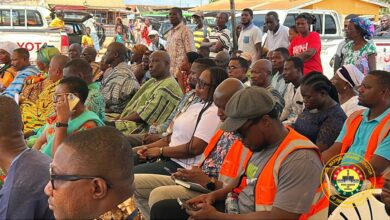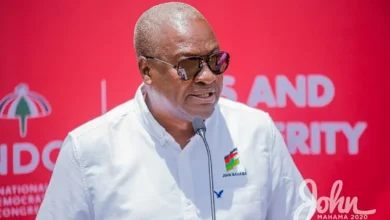

The Ghana Gold Board (GoldBod) has signed a GH¢8.4 million deal with Ghana Water Limited (GWL) to rehabilitate three major water treatment plants severely affected by illegal mining, popularly known as galamsey.
The agreement will target the Bonsa, Daboase and Sekyere Heman Water Supply Systems in the Western and Central Regions. The goal is to restore treatment capacity, improve potable water delivery, and strengthen environmental sustainability in mining-affected communities.
The three facilities have struggled for years with high turbidity, siltation and equipment damage caused by pollution of their raw water sources.
In some cases, operations have been forced to shut down entirely. At the Bonsa Water Treatment Plant in the Western Region, illegal mining along the Bonsa River has led to severe contamination. The plant, which supplies the Tarkwa-Nsuaem Municipality, was previously shut down after excessive silt blocked its intake.
The Daboase Water Treatment Plant, which serves parts of the Sekondi-Takoradi Metropolis and surrounding areas, has also recorded rising sediment levels. Officials say this has increased chemical usage, strained equipment and pushed up operational costs.
The Sekyere Heman Water Supply System has faced similar problems, with heavy sludge and silt deposits triggering frequent breakdowns.
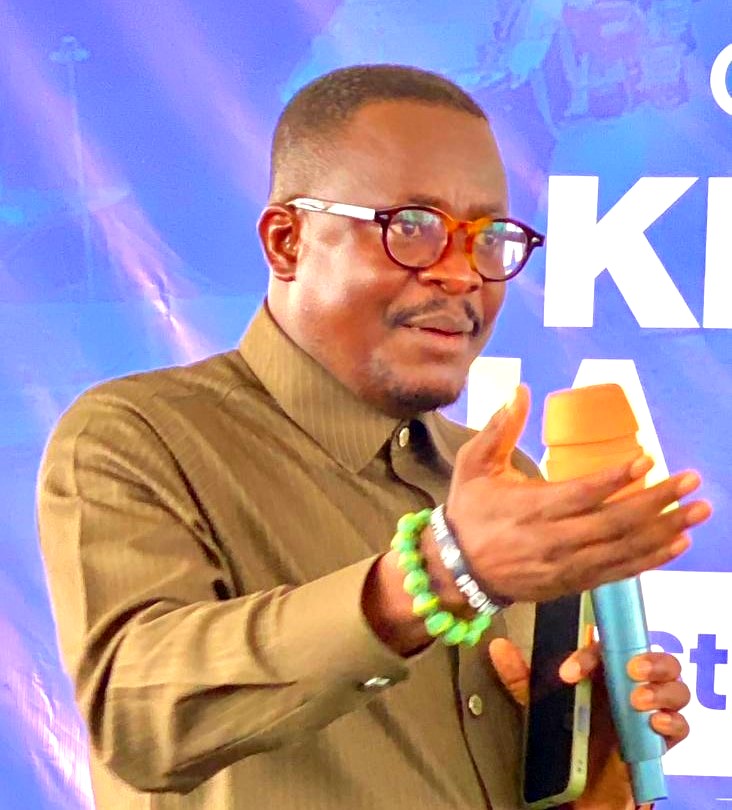
Speaking at the signing ceremony, GoldBod Chief Executive Officer, Sammy Gyamfi, said the Board conducted an independent technical assessment before approving the funding. “This intervention demonstrates our commitment to responsible mining, environmental sustainability and improving the lives of Ghanaians,” Mr. Gyamfi said.
GWL Managing Director, Adam Mutawakilu, welcomed the partnership, describing it as a timely intervention to restore production and improve service delivery.
“This collaboration shows the importance of protecting critical national infrastructure while addressing the growing demand for reliable potable water,” he said.
The rehabilitation comes as Ghana’s water sector continues to battle the impact of galamsey. Pollution of rivers has forced utilities to spend more on treating contaminated raw water, and experts warn that conventional plants were not designed for current levels of sediment and chemicals.
Beyond fixing infrastructure, officials say the project is part of broader efforts to repair environmental damage caused by irresponsible mining.
GoldBod and GWL said they remain committed to implementing sustainable solutions that protect water resources and improve access to safe drinking water for communities in the Western and Central Regions.
Credit:- dailyguidenetwork.com