GAIA Africa, GAYO Equip African Practitioners with Skills to Drive Zero Waste Solutions

Story By: Emmanuel Gameli Dovia
KPONG, Ghana –July 2026
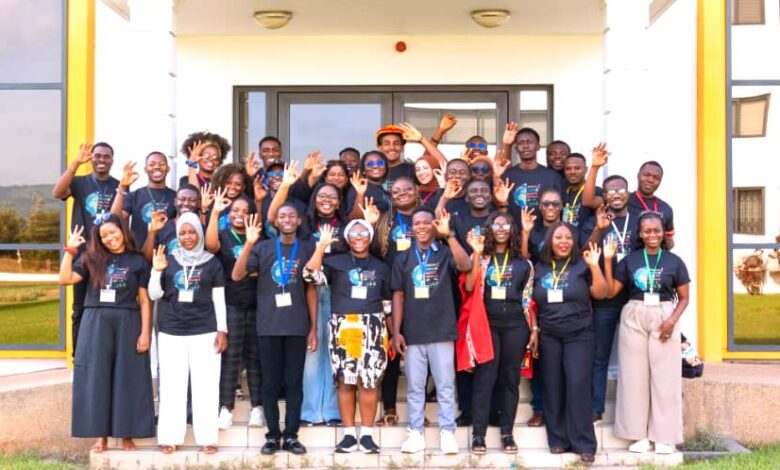
The Global Alliance for Incinerator Alternatives (GAIA Africa) and the Green Africa Youth Organisation (GAYO) have launched the in-person phase of the Africa Zero Waste Academy 2026, a training programme aimed at developing a new generation of zero waste practitioners across Africa.
The session, which began this week in Kpong, Ghana, follows a five-week virtual programme completed last month covering movement building, waste characterisation and monitoring frameworks. The in-person phase will deepen participants’ knowledge through expert-led sessions and visits to zero waste projects in Accra.
Now in its second year, the Academy is designed to equip participants with practical skills to develop localised zero waste systems that reduce emissions, create green jobs and promote healthier communities.
More than 700 climate and waste practitioners from across Africa applied for this year’s programme, with organisers saying selection was based on gender and geographic diversity.
The training comes amid a growing global waste challenge, with more than 2.1 billion tonnes of municipal solid waste generated annually worldwide. Organisers say approaches such as organic waste management and waste separation at source are essential to tackling the impact of waste on climate, biodiversity and livelihoods.
In March 2026, Ghana’s capital, Accra, was named by the United Nations as one of 20 Cities Towards Zero Waste, a recognition organisers say highlights the increasing importance of zero waste solutions. GAYO’s Zero Waste Accra Project contributed to the achievement through efforts to divert organic, plastic and electronic waste from landfills while reducing methane emissions.
“This is not just about managing waste better; it’s about rethinking systems for climate resilience, green jobs, and community health,” said Ama Asiedu, GAIA Africa’s Zero Waste and Climate Program Associate.
Organisers said the Academy is built on the understanding that waste management is closely linked to human wellbeing and must be approached through a justice lens by protecting the rights of waste pickers and workers while promoting systems that prevent harm.
“Zero waste is a systems transformation agenda that challenges us to rethink and redesign the economic and material systems that generate waste,” said Fathia Selasi Charway-Glover, Project Coordinator for Zero Waste Cities at GAYO.
She added that achieving zero waste requires investment in people, knowledge, policy coherence and inclusive infrastructure that treats waste as a resource rather than a liability. She described the Academy as an investment in strengthening technical capacity and collaboration needed to accelerate the transition to a circular economy.
“We believe each participant has a vital role to play in shaping sustainable practices and policies within their communities. The insights and knowledge exchanged here will drive significant change towards achieving a Zero Waste Africa,” Asiedu added.
The Africa Zero Waste Academy, organised by GAIA Africa, is a capacity-building initiative that equips climate and waste practitioners with skills to implement zero waste solutions, reduce emissions and support sustainable livelihoods across the continent.