
The Ketu South Municipal Assembly has extended economic support to Persons with Disabilities (PWDs) in the Municipality through the provision of various livelihood equipment, vocational tools and essential business materials aimed at strengthening their economic activities and promoting financial independence.
The intervention which was held on Wednesday 11th November 2026 at the forecourt of the Municipal Assembly, facilitated through the Department of Social Welfare and Community Development, is intended to address some of the challenges confronting persons with disabilities, particularly limited access to productive resources, equipment and economic opportunities.
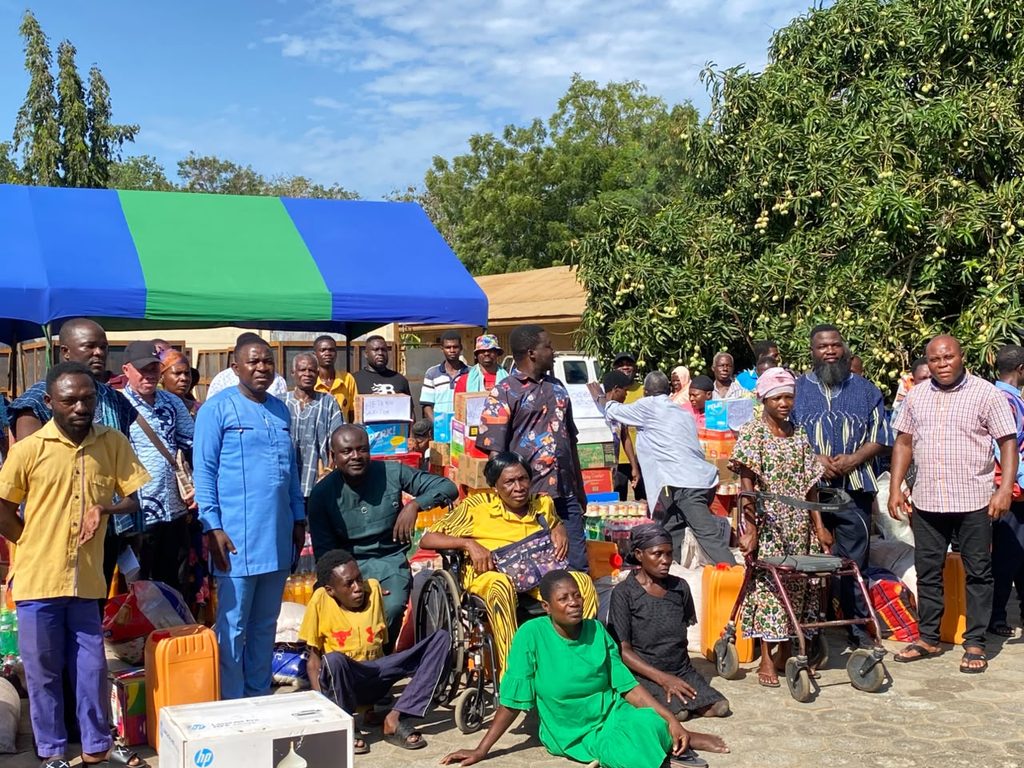
The intervention benefited 53 persons with disabilities: 25 women and 28 men. Beneficiaries included people with hearing or speech impairments, albinism and amputations, among other conditions.
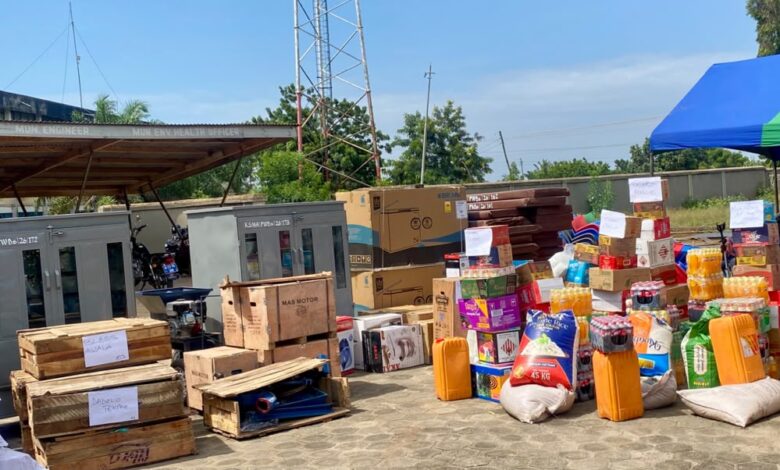
The items distributed cut across several vocational and entrepreneurial activities, including industrial sewing and knitting machines, chest deep freezers, vulcanizing machines, cassava and corn mills, gas ovens, electric mixers, hairdressing equipment, fishing canoes and nets, among others.
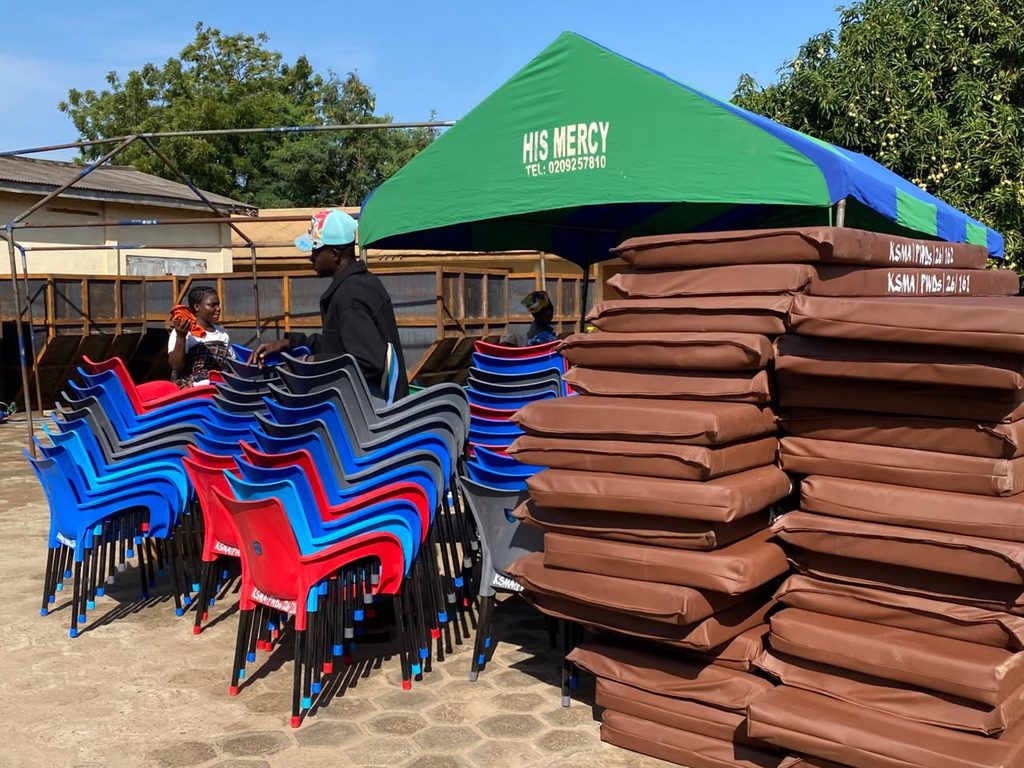
Other items include shoe-making tool kits, leathered student mattresses, kente weaving threads, piglets, plastic chairs and printing equipment.
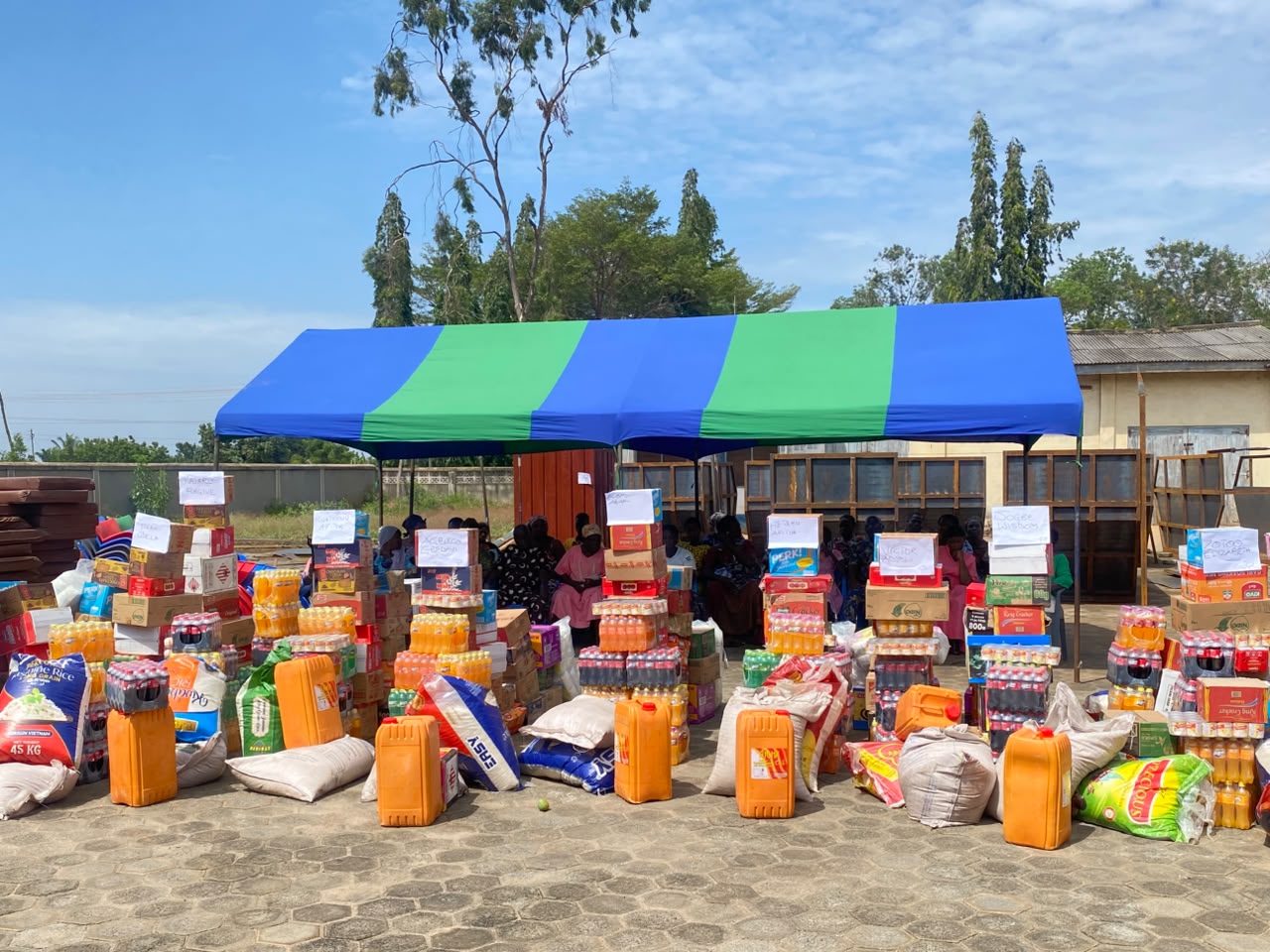
Beneficiaries also received essential consumables and household-related supplies, including bags of rice, sugar, cooking oil, mosquito coils, toiletries, milk products, biscuits and other provisions.
Speaking on the significance of the intervention, Mr Selassie Assor the Municipal Director of Social Welfare and Community Development said the initiative was designed to bridge the resource gap confronting many persons with disabilities who, despite possessing relevant skills and entrepreneurial abilities, are often unable to establish or expand their businesses due to inadequate equipment and financial constraints.
“While many possess valuable skills, talents and entrepreneurial abilities, the absence of the necessary equipment and financial resources often limits their capacity to establish or expand their businesses. It is against this background that this intervention through the Government has become necessary,” Mr Selalssie stated.
The Director explained that the support was intended to strengthen existing businesses, facilitate new business initiatives and promote financial independence among beneficiaries.
According to the Director, the broader objective was to move beyond welfare dependency towards sustainable economic empowerment, where persons with disabilities could make meaningful contributions to their households, communities and the wider economy.
The Director further urged beneficiaries to regard the items as valuable economic assets rather than mere gifts, stressing the need for responsible utilisation, proper maintenance and reinvestment of business proceeds to ensure the sustainability of the intervention.
“The sustainability of this intervention depends largely on your commitment, discipline and determination to utilise these resources productively,” the Director emphasised.
On accountability, the Department indicated that it would undertake monitoring and follow-up activities to assess how the items are being utilised and the progress of beneficiaries’ respective economic ventures.
The Director noted that the success of the intervention should not be measured solely by the number of items distributed but by the tangible improvements they bring to beneficiaries’ livelihoods.
Mr Nicholas Kwabla Worchlarchie, The Municipal Chief Executive, in a statement at the presentation ceremony, highlight the Assembly’s commitment to inclusive development, the responsible utilisation of the District Assemblies Common Fund allocation for Persons with Disabilities and the need to create equal economic opportunities for all residents.
The Social Welfare Department also called on families, traditional authorities, community leaders, employers and the general public to promote the inclusion of persons with disabilities and discourage discrimination, stigmatisation and other forms of social exclusion.
The Department expressed appreciation to the Government, the Municipal Assembly and other stakeholders for their support, expressing optimism that the intervention would translate into expanded businesses, improved incomes and stronger economic conditions for beneficiary households.