

KNUST Researchers Advocate Nature-Based Solutions to Combat Coastal Erosion via TIDEKIT

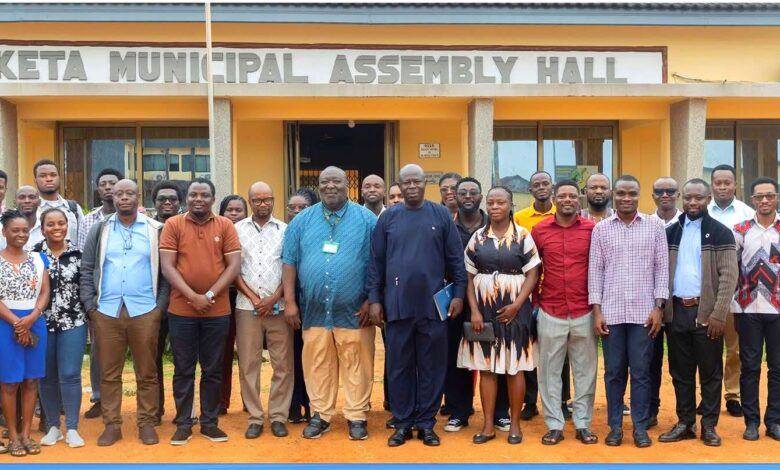
Keta (Volta Region) – July 2026
A team of researchers from the Department of Physics at the Kwame Nkrumah University of Science and Technology (KNUST) has proposed the adoption of nature-based solutions as a sustainable approach to addressing the persistent coastal erosion challenges confronting the Keta Municipality and other vulnerable coastal communities along Ghana’s eastern coastline.
The proposal formed part of a three-day working visit by the technical team to Keta a few days ago under the TIDEKIT Project (Protecting the Coast and Heritage of Keta Using Integrated Geophysical Methods), a three-year research and innovation initiative aimed at strengthening coastal resilience through science, technology and community engagement.
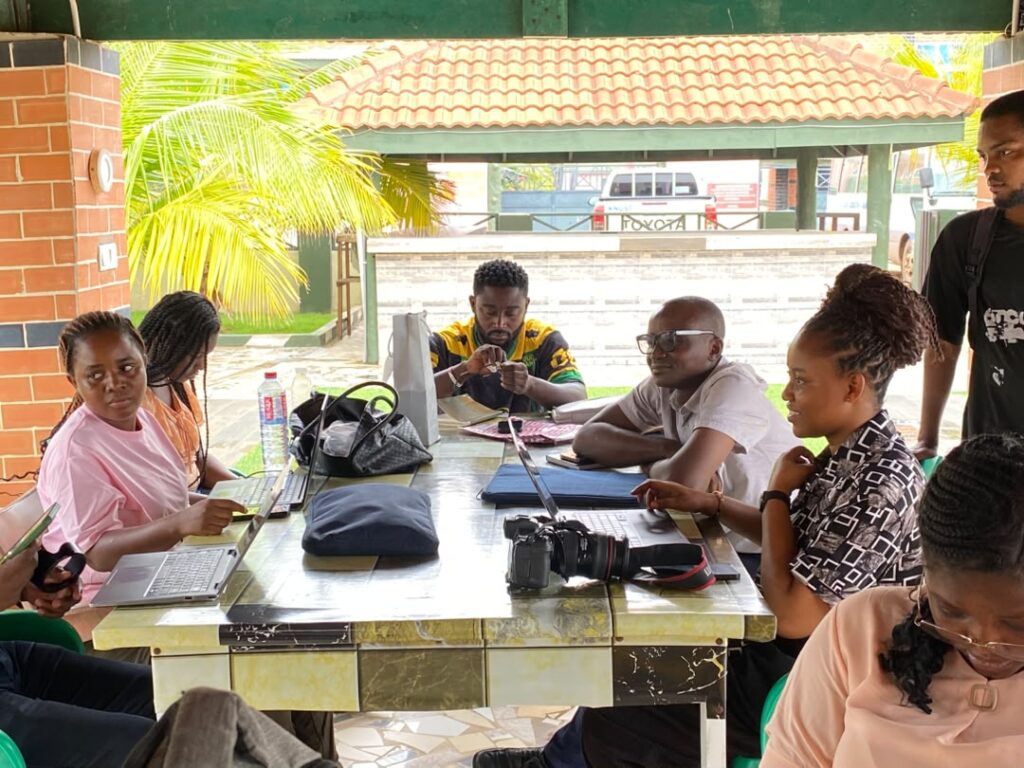
During the visit, the researchers engaged key stakeholders, including officials of the Keta Municipal Assembly and the Anloga District Assembly, interacted with fisherfolk, farmers and coastal residents, conducted media engagements, and inspected and collected data from the project’s coastal monitoring equipment installed at Agblor Lodge along the Dzelukope Beach.
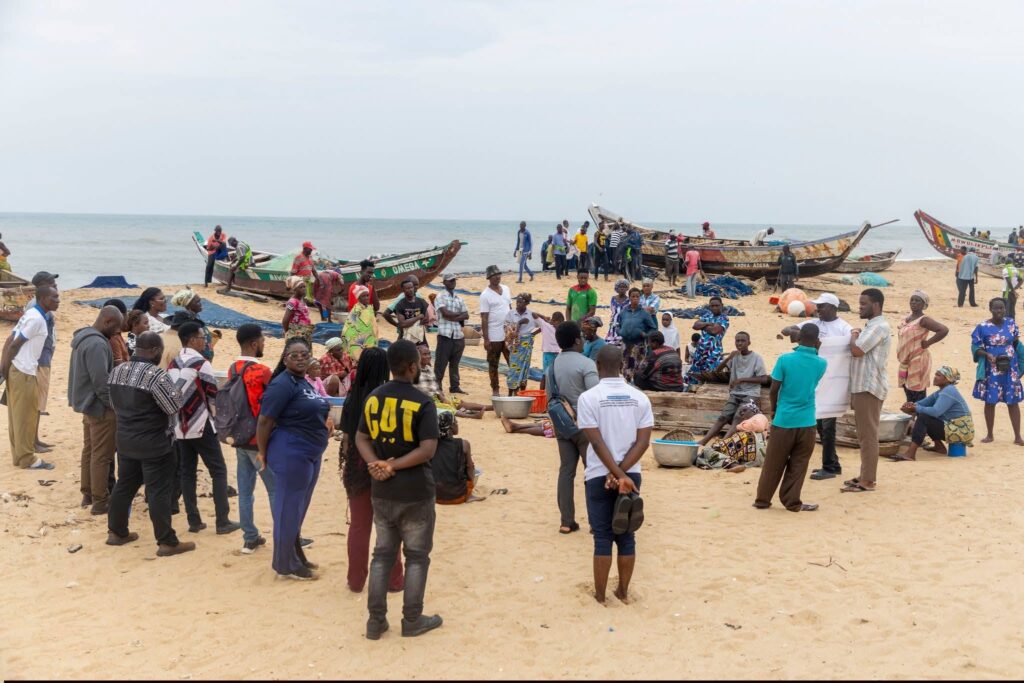
Speaking to Veritas News GH during the visit, the Project Lead and Senior Lecturer at KNUST’s Department of Physics, Dr Cyril Dziedzdorm Boateng, said the TIDEKIT Project was established to address the growing threats posed by coastal erosion, tidal flooding, sea-level rise, saltwater intrusion into freshwater resources, and the destruction of cultural heritage and critical infrastructure along the Keta coastline.
He said preliminary findings from the ongoing research indicate that the project is making significant progress in generating scientific evidence to better understand coastal dynamics and inform long-term interventions.
According to Dr Boateng, the research has confirmed the extensive destruction caused by tidal erosion along significant portions of the Keta coastline, reinforcing the urgent need for more comprehensive, sustainable and climate-resilient coastal protection strategies.
While acknowledging the important role of engineered coastal protection structures such as sea defence walls, rocky groynes and revetments, he stressed that hard infrastructure alone cannot provide a lasting solution to the complex environmental challenges facing the coastline.
“The sea defence wall is not the only answer to coastal protection. We also need to embrace nature-based solutions that work with nature rather than against it,” he said.
“The intentional and large-scale planting of mangroves, coastal grasses and other indigenous vegetation will help stabilise shorelines, reduce wave energy and minimise the loss of sand through wave backwash”
He further indicated that data from the project’s findings show that the eastern section of the coastline, including areas around the existing and ongoing sea defence structures, remains highly vulnerable, as continued tidal action is already triggering further erosion in those areas.
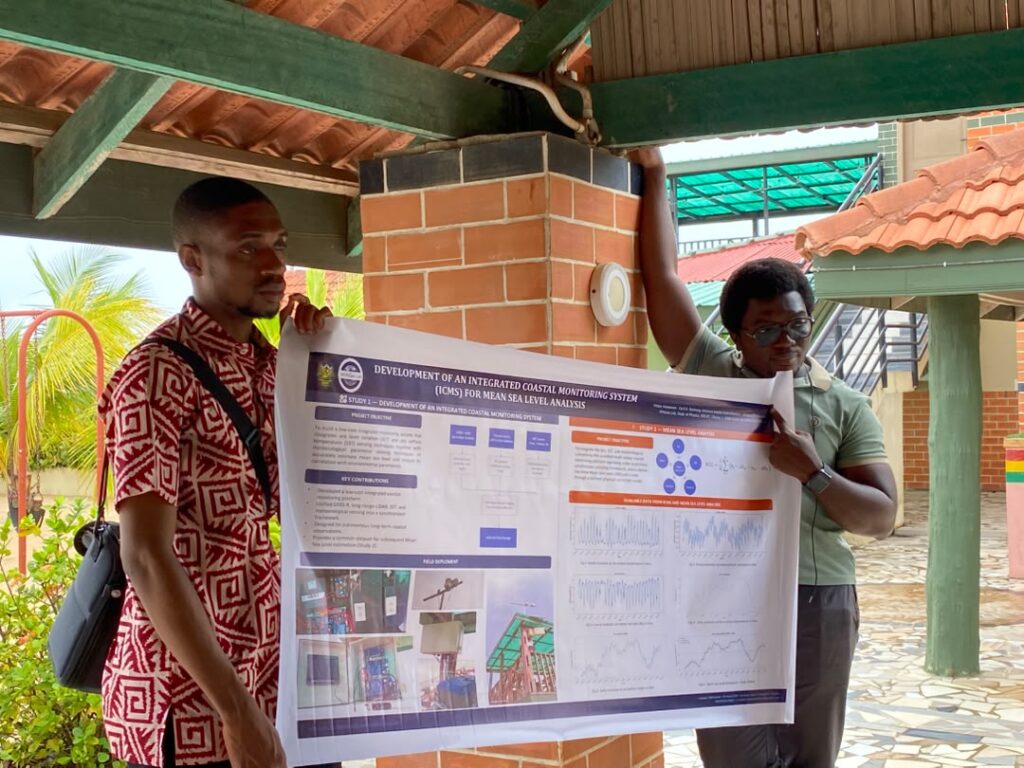
He explained that the Keta enclave comprising Keta, Anloga and Ketu South is situated on an ancient sand barrier formed through the gradual accumulation of sand that eventually separated part of the sea to create what is now the Keta Lagoon. Over centuries, vegetation naturally colonised these sand deposits, strengthening and stabilising them until they became suitable for human settlement.
According to him, this natural process can be deliberately replicated through ecological restoration by planting vegetation capable of holding the loose sand together. Such vegetation will serve as a natural buffer by dissipating wave energy, reducing the force of incoming waves and preventing excessive sand from being washed back into the sea.
He noted that integrating these nature-based interventions with existing engineered infrastructure would significantly improve the long-term resilience of coastal communities to climate change, sea-level rise and increasingly destructive tidal waves.
Beyond promoting ecological restoration, Dr Boateng said the TIDEKIT Project is addressing a longstanding knowledge gap by generating reliable scientific data on coastal processes information that has historically not been available for effective planning, policymaking and investment in coastal protection.
The research team observed that the lack of comprehensive scientific data on shoreline dynamics, tidal activity and groundwater conditions has limited the ability of government agencies and development partners to design evidence-based interventions for vulnerable coastal communities like Keta.
To bridge this gap, Mr Eric Hovor, Researcher at KNUST and a key member of the TIDEKIT Project, says their work is developing a robust scientific database to support government policies on coastal protection, climate adaptation and disaster risk reduction while providing local authorities and stakeholders with timely information for informed decision-making.
The TIDEKIT research team, which comprises more than 20 researchers and students, includes Dr Edem Donkor, Dr. Akyana Britwum and other scientists from KNUST working collaboratively on the project.
The project is also developing an early warning system capable of predicting tidal waves and coastal flooding, while monitoring shoreline changes using Geographic Information Systems (GIS), remote sensing technologies, drones and geophysical surveys. It is further tracking saltwater intrusion into groundwater resources to help protect freshwater sources and improve coastal livelihoods.
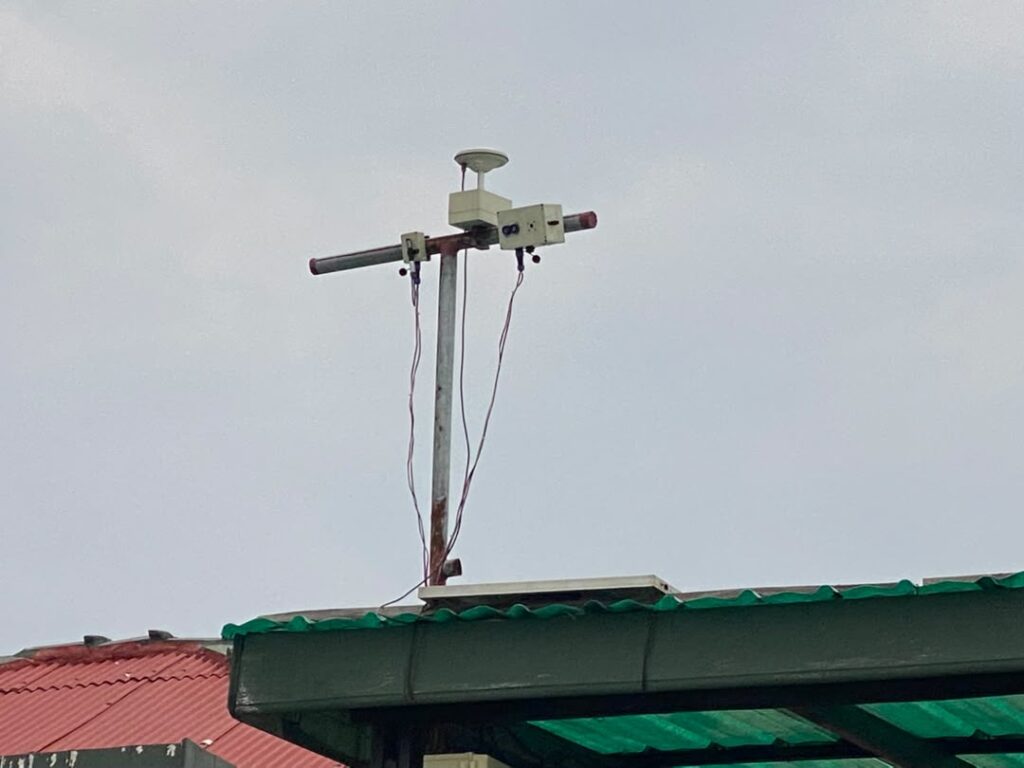
The TIDEKIT Project, which commenced in August 2023, is funded by the Office of Naval Research Global (USA) and is led by researchers from KNUST focusing primarily on the Keta Municipality and neighbouring coastal communities that have experienced decades of coastal disasters.
The researchers believe that combining scientific innovation with community involvement and nature-based solutions will offer a sustainable pathway to safeguarding coastal communities
They have therefore called on the Government of Ghana, development partners and donor agencies to consider integrating the project’s scientific findings and recommendations into future coastal protection policies and interventions, particularly by complementing existing sea defence infrastructure with nature-based solutions that can deliver long-term environmental, social and economic benefits for vulnerable coastal communities.
Meanwhile, the researchers warned that sections of the eastern coastline remain highly vulnerable to further erosion, particularly areas around the ongoing Blekusu Sea Defence Project. They indicated that communities stretching from Adina and Amutinu towards Denu and Aflao could face increased coastal risks if comprehensive measures, including sustainable coastal management and nature-based interventions, are not integrated into future protection works