A GNA Feature by Benard Worlali Awumee
When global digital sensation IShowSpeed arrived in Ghana as part of his whirlwind African tour, cameras rolled, streams went live, and millions around the world watched Ghana through his lens.
The visit delivered energy, colour and viral moments, but it also reignited a long-standing conversation among residents of the Volta Region: why does Volta so often remain outside Ghana’s most visible tourism narratives?
Across communities such as Anloga, Keta, Hohoe, Tafi Atome, Ho and Amedzofe, excitement over the visit was accompanied by reflection. For many, the tour symbolised more than a celebrity itinerary; it raised broader questions about how Ghana presents its most culturally immersive regions to the world.
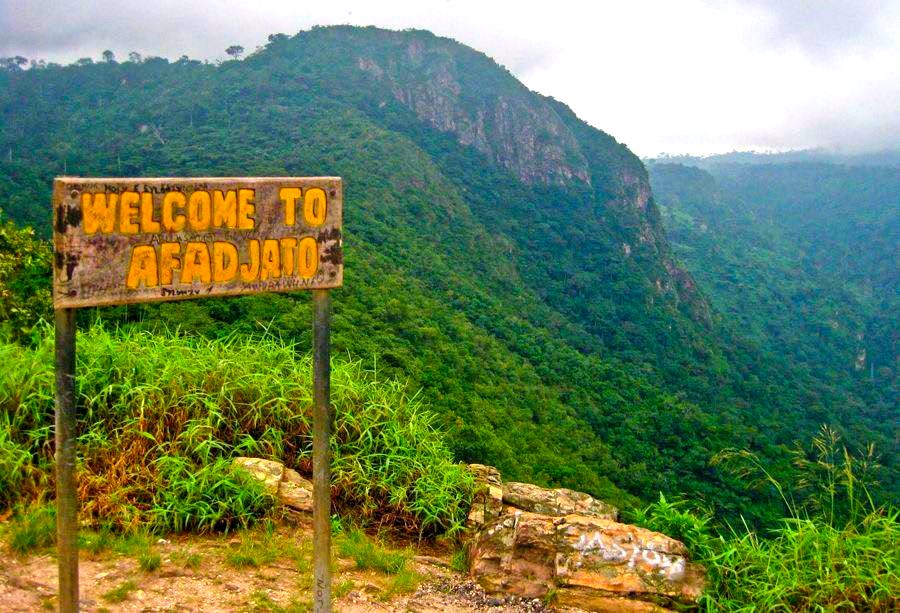
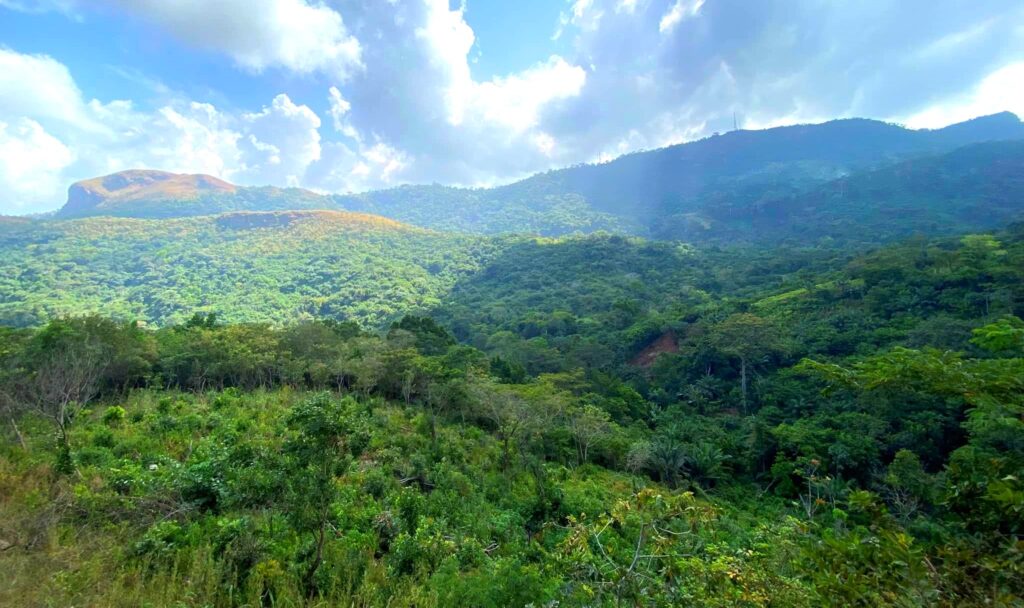
The Volta Region remains one of Ghana’s most diverse tourism landscapes and is often described as a microcosm of the nation, hence the adage, “Visit Volta, visit Ghana.” The region hosts Mount Afadjato, Ghana’s highest mountain, offering hiking, panoramic views and eco-tourism appeal within the Akwapim-Togo ranges.
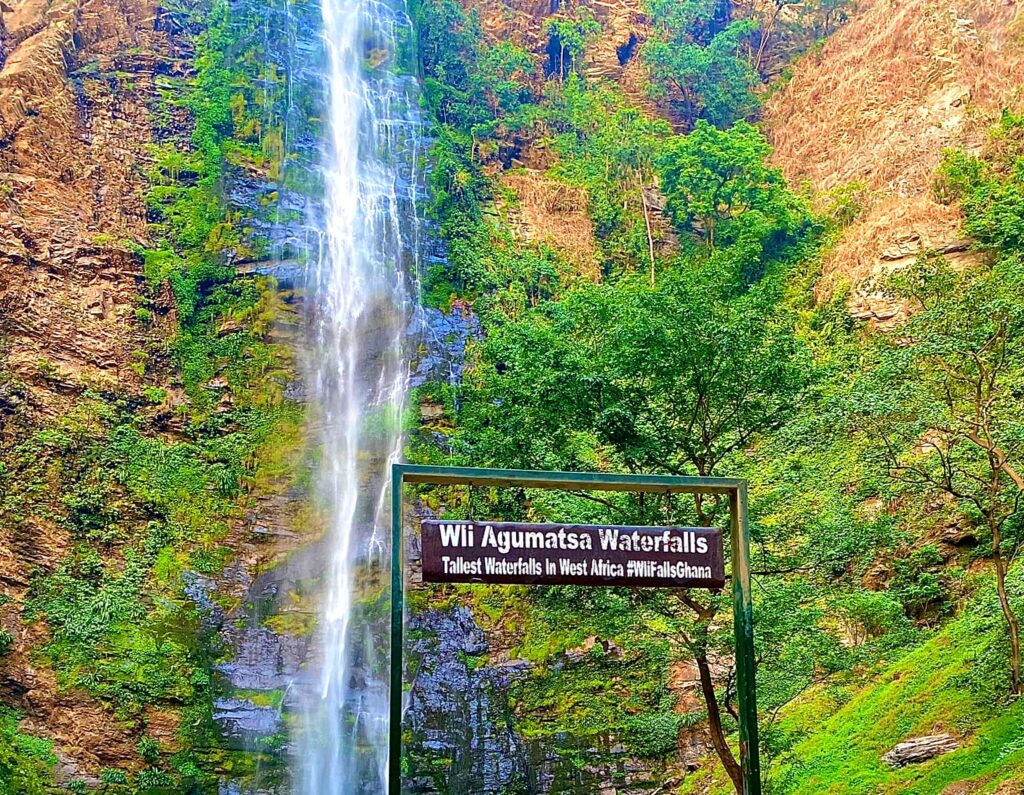
Nearby is the Wli Waterfalls, the tallest in West Africa, set within a protected forest reserve rich in biodiversity. These natural assets alone position Volta among the most competitive eco-tourism destinations in the sub-region.
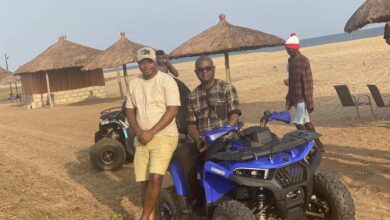
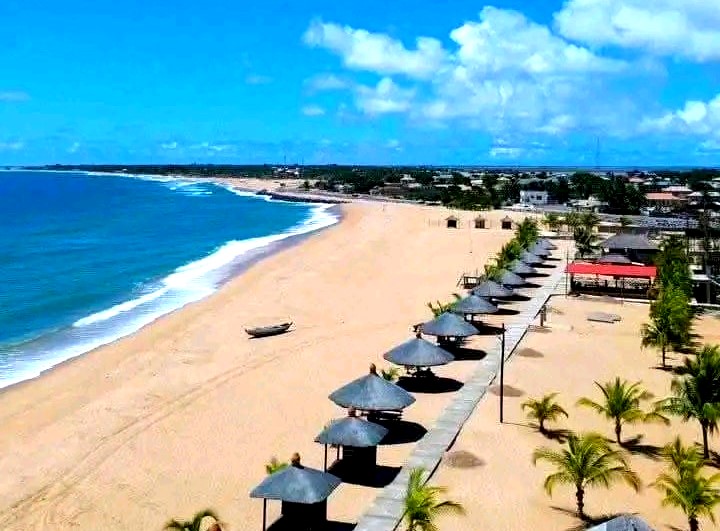
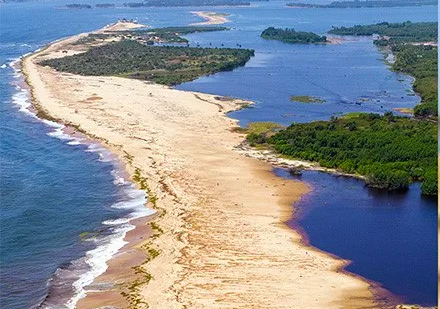
Beyond the highlands, the landscape transitions into wetlands, lagoons, and coastal ecosystems. The Volta Estuary at Anyanui and the Keta Lagoon Complex offer opportunities for boat cruises, birdwatching and environmental tourism, while the golden-sand coastline from Anloga to Keta presents a serene alternative to over-commercialised beach destinations.
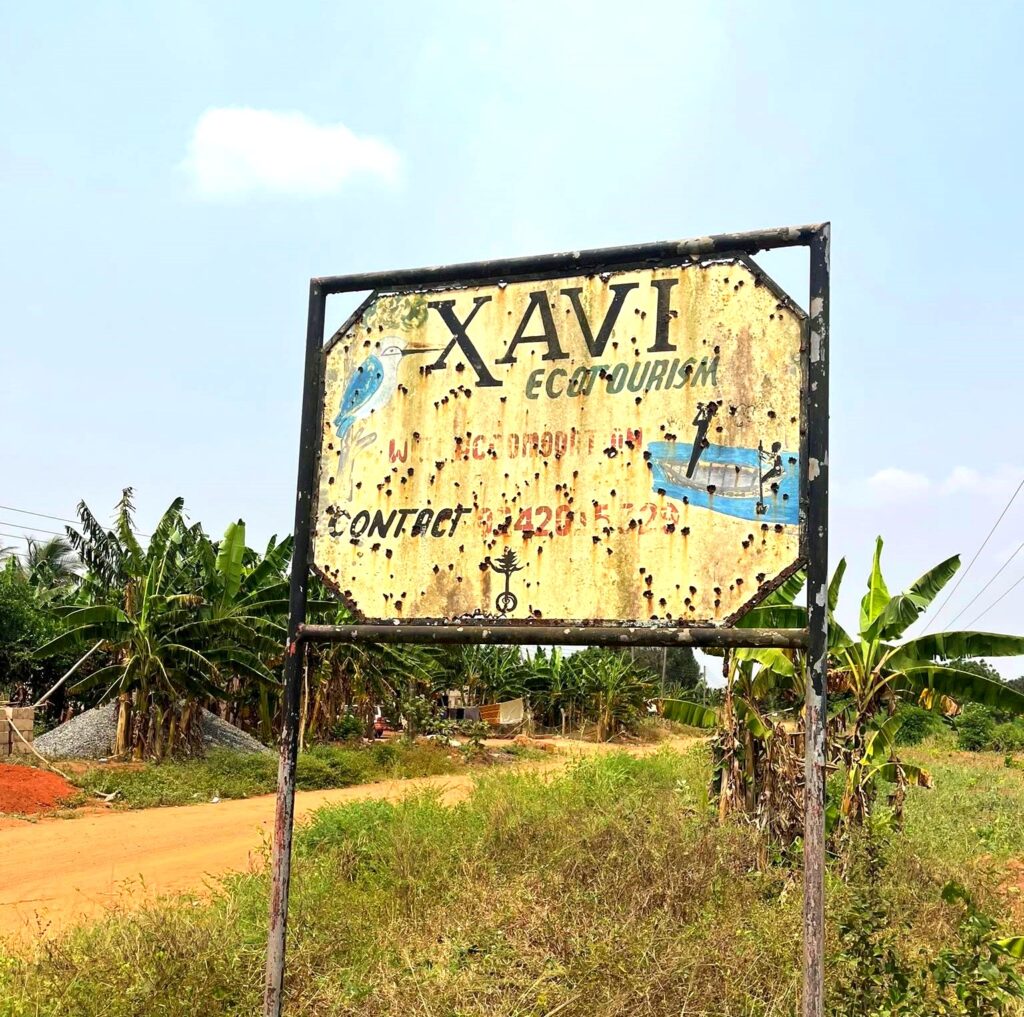
These landscapes are complemented by historical and cultural sites that speak to resilience, migration and coastal heritage, including the Tafi Atome Monkey Sanctuary, the Crocodile Pond at Ave-Dakpa, scenic birdwatching at Xavi near Akatsi, and on the islands of the Keta Lagoon—stories that remain largely untold on global platforms.
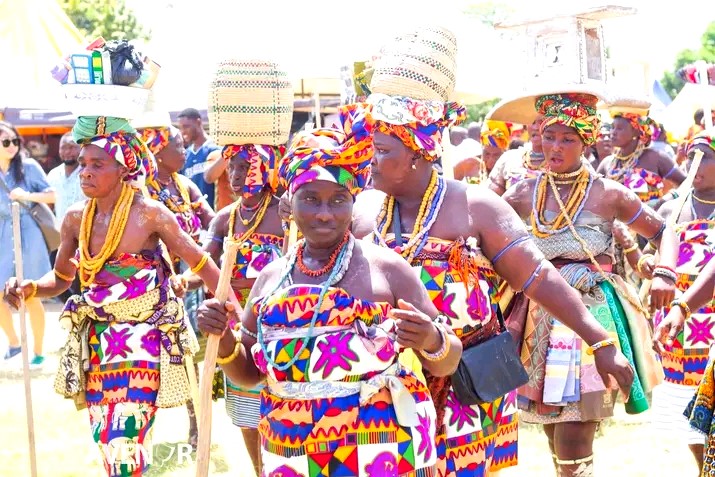
Culturally, Volta’s appeal runs deep. Indigenous dances such as Borborbor and Agbadza, performed during festivals, funerals and communal gatherings, are lived traditions rather than staged performances. Festivals such as Hogbetsotso, Gbiza and Teza offer immersive cultural experiences aligned with modern experiential tourism trends.
For global content creators seeking depth rather than spectacle, Volta provides an environment where culture is lived daily, not curated for the camera—an authenticity many consider the region’s strongest asset.
The discussion triggered by IShowSpeed’s visit also highlighted tourism’s economic potential. Influencer-driven exposure can unlock opportunities for local tour guides, artisans, hospitality operators and young creatives. This is evident in the surge of interest at the Shea Butter Museum in Accra following the streamer’s visit.
In a region where youth unemployment and migration remain challenges, strategic tourism promotion could serve as a sustainable economic lifeline.
While acknowledging that tight schedules and live-streaming demands limit how much ground influencers can cover, observers argue the issue goes beyond a single visit. Engagements with tourism players suggest Volta’s absence from high-profile tourism circuits reflects the lack of intentional national and regional planning rather than convenience or proximity to Accra.
Mr Joel Degue, a professional tour guide, described the moment as a call to action. “Volta must be deliberately positioned as a complete destination—combining mountains, waterfalls, coastlines, culture and history in one narrative. This is not a regional demand but a national opportunity to diversify Ghana’s tourism brand,” he said.
Mr Selorm Ameza, popularly known as Black Ocean, a tourism and creative arts expert, attributed Volta’s absence from the itinerary to time constraints, infrastructure challenges and protocol arrangements.
He explained that travelling from Accra to Volta and back within a day was unrealistic due to road conditions, while the Ho Airport remained distant from many key tourist sites, limiting its usefulness for short visits.
According to Mr Ameza, the situation reflected deeper structural challenges. “Volta tourism has failed to position itself as Ghana’s tourism microcosm, despite often being described as such. We are like people living in a mansion filled with gold, yet remaining poor,” he said.
He called for a more intentional, diaspora-focused strategy, citing untapped experiences such as curated waterfall massage tourism at Wli and Tagbo Falls, and coffee-tasting centres in Leklebi.
“The global tourism market will not wait. Volta must rise, organise and claim its place deliberately and unapologetically,” he cautioned.
The call now is for duty-bearers to deliberately position the Volta Region as a leading tourism destination. Members of Parliament, District and Municipal Chief Executives, regional political leaders, Ministers, tourism players, media practitioners and event organisers must champion coordinated initiatives that place the region firmly within Ghana’s tourism agenda.
As global interest in Africa’s culture and landscapes continues to grow, the question raised by IShowSpeed’s visit lingers: will Volta remain a quiet footnote in Ghana’s tourism story, or finally emerge as one of its strongest chapters?
IShowSpeed’s Ghana stop formed part of a 28-day tour across 20 African countries, during which he participated in cultural ceremonies and visited iconic landmarks and entertainment sites, drawing millions of online viewers and reigniting discussions on how Ghana can better leverage global digital platforms to tell a more deliberate and balanced national story.
Source:- Ghana News Agency(GNA)