Forestry Commission marks World Wetlands Day with call for stronger conservation efforts


The Forestry Commission of Ghana has commemorated the World Wetlands Day, underscoring the critical role wetlands play in sustaining livelihoods, biodiversity, and environmental balance.
The event was held under the global theme, “Wetlands and Traditional Knowledge: Celebrating Our Cultural Heritage,” highlighting the importance of indigenous practices in the sustainable management of wetland ecosystems.
Although World Wetlands Day is observed annually on February 2, the Ghanaian celebration took place few days later, at the Anlo Senior High School (ANSECO) Park in the Volta Region.
The commemoration attracted a wide range of stakeholders from government institutions, civil society organisations, international agencies, NGOs and traditional authorities.
Participating institutions included the Environmental Protection Authority (EPA), Water Resources Commission, ActionAid Ghana, A Rocha Ghana, UN-Habitat, and the International Union for Conservation of Nature (IUCN).
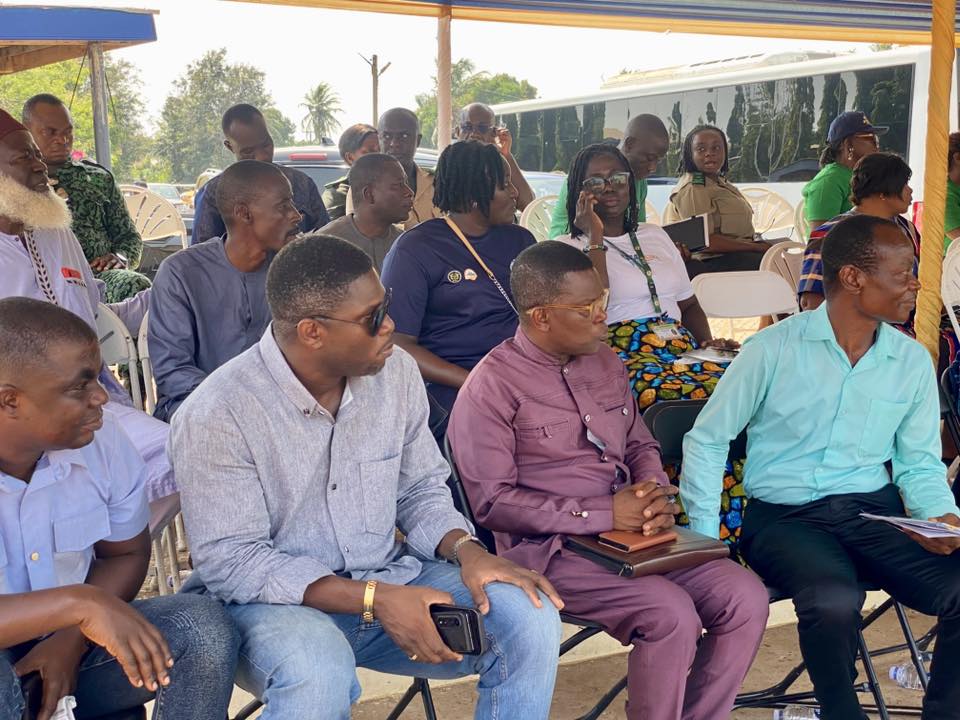
Representatives of these organisations delivered solidarity messages, collectively calling for enhanced protection, sustainable use, and restoration of wetlands across the country.
The programme was chaired by Togbi Agbesi Awusu II, Awadada of Anlo State. In his closing remarks, the traditional leader urged the Forestry Commission to intensify efforts that combine both scientific approaches and traditional knowledge in the conservation of wetlands and mangrove ecosystems.
He further appealed to stakeholder institutions to adopt more targeted community engagement strategies, emphasising the need to reach the most affected and relevant audiences rather than relying solely on generalised awareness campaigns.
Several traditional authorities graced the occasion, including Togbi Samlafo V of Atsyame, Togbi Gbordzor VI, Dusifiaga of Anlo, and Mama Ewui Amegashie II of Keta, among others. Their presence reaffirmed the critical role of traditional leadership in environmental stewardship and natural resource governance.
As part of activities marking the day, exhibition stands were mounted by organisations such as A Rocha Ghana and the Avu Lagoon Authority. These exhibitions showcased photographs, educational materials, and ecological data highlighting their conservation work, as well as various bird and animal species found within wetland ecosystems.
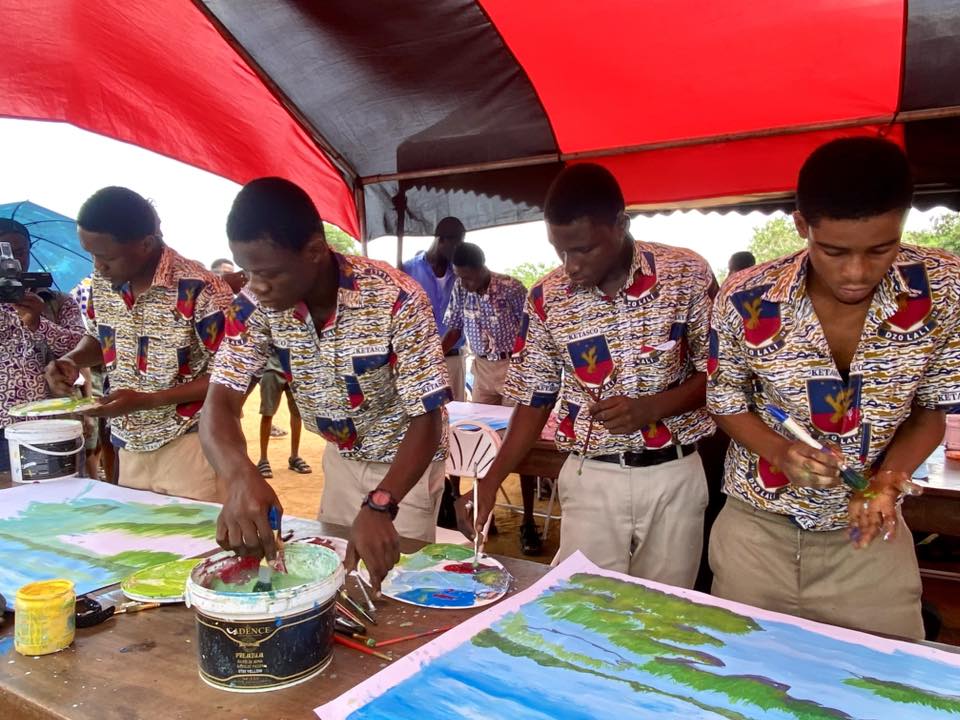
An inter-school art painting and puzzle competition was also organised among selected senior high schools in the area, including Anlo Senior High School, Zion College–Anloga, Keta Senior High Technical School, Volta Senior High School–Agbledomi, and Keta Business College.
At the end of the competition, Keta Senior High Technical School emerged as the overall winner.
Delivering the keynote address, the Deputy Director of the Forestry Commission, Mr Elikem Kotoko, stressed the importance of safeguarding Ghana’s Ramsar sites through the integration of traditional ecological knowledge and modern conservation practices. He expressed concern over the growing threats to wetlands, noting that rapid urbanisation, illegal resource exploitation, and inadequate community involvement continue to undermine conservation efforts.
“Sadly, rapid urbanisation is taking a heavy toll on our wetlands, alongside illegal exploitation of resources and limited community participation, resulting in significant losses,” Mr Kotoko stated.
He reaffirmed the Forestry Commission’s commitment to protecting wetlands and their associated resources in line with its statutory mandate and called on traditional leaders to collaborate closely with the Commission to achieve sustainable conservation outcomes.
Checks by Veritasnewsgh.com indicate that Ghana has lost between 35 and 40 per cent of its wetland resources, a development described as alarming and requiring urgent intervention.
World Wetlands Day commemorates the adoption of the Convention on Wetlands, signed on February 2, 1971, at Ramsar in Iran.
Ghana is a signatory to the convention and currently has six designated Ramsar sites: the Keta Lagoon Complex, Songor, Sakumo, Densu Delta, Muni-Pomadze, and the Owabi Wildlife Sanctuary.
The Keta Lagoon Complex, located in the Volta Region, remains the largest lagoon system in the country and serves as a critical habitat for migratory bird species, further underscoring the importance of sustained wetland conservation efforts nationwide.