The proposed National Petroleum Authority (NPA) Bill, 2026, has introduced tougher penalties for persons who construct petroleum infrastructure without authorisation, including fines of up to 50,000 penalty units and imprisonment of up to five years.
The proposed legislation, which was laid before Parliament by the Minister for Energy and Green Transition, John Abdulai Jinapor, on November 19, seeks to amend and consolidate existing laws governing Ghana’s petroleum downstream industry.
Under Clause 109 of the Bill, a person will be prohibited from constructing petroleum infrastructure without first obtaining a permit from the NPA.
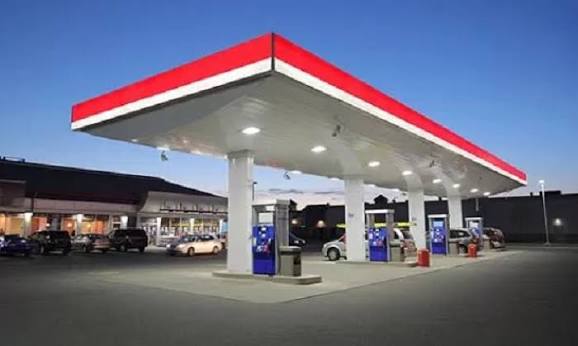
The infrastructure covered includes retail outlets for petroleum products, liquefied petroleum gas (LPG) bottling plants and depots, petroleum product pipelines, auto-gas filling stations, lubricant manufacturing plants, waste oil recycling plants, wharves, tank farms and crude oil refineries.
A person who contravenes the provision will, upon summary conviction, face a fine of not less than 20,000 penalty units and not more than 50,000 penalty units, imprisonment for a term of between two and five years, or both.
The Bill also proposes that persons who intend to operate petroleum-related facilities or installations must obtain authorisation from the NPA.
“Permit to construct petroleum infrastructure. (1) A person shall not construct a petroleum infrastructure in the petroleum downstream industry without a permit from the Authority. For the purpose of this section, “petroleum infrastructure” means a petroleum related facility or installation, including (a) a retail outlet for petroleum products; (b) a liquefied petroleum gas cylinder manufacturing and maintenance plant; (c) a storage depot for petroleum products; (d) a depot for liquefied petroleum gas; (e) a petroleum product pipeline; (f) a liquefied petroleum gas bottling plant; (g) an auto-gas filling station; (h) a lubricant manufacturing plant; (i) a waste oil recycling plant; (j) a mooring facility; (k) a wharf and tank farm; and (1) a crude oil refinery.
“A person who contravenes subsection (1) commits an offence and is liable on summary conviction to a fine of not less than twenty thousand penalty units and not more than fifty thousand penalty units or to a term of imprisonment of not less than two years and not more than five years or to both,” the Bill stated.
It further outlines procedures for the suspension and revocation of licences issued to operators in the downstream petroleum industry.
Under Clause 93, the Authority may revoke a suspended licence if the licensee fails to remedy the default, breach or conduct that led to the suspension.
However, before revoking a licence, the Authority must give the licensee 15 days’ written notice, stating the reasons for the intended revocation.
The licensee must also be given an opportunity to make oral or written representations to the Authority within 10 days of receiving the notice.
The proposed law also requires the NPA to publish notices of the issuance, suspension or revocation of licences on its website within 30 days of the decision.
In addition, the Bill introduces licensing requirements for bulk consumers, requiring persons seeking to operate in that capacity to obtain a licence from the Authority and use petroleum products only for purposes covered by the licence or approved by the NPA.
It also prohibits bulk consumers from selling, offering for sale, distributing or marketing petroleum products.
The proposed legislation further provides for the establishment of a Distribution Fund to support the efficient transportation and supply of petroleum products across the country.
Under Clause 26, the Fund will be used to ensure the regular transportation of petroleum products from refineries or bulk supply points to storage depots, guarantee supplies to all parts of the country and support an efficient petroleum products distribution system.
It will also provide security for the distribution system and ensure that petroleum product prices include an element representing the estimated cost of distribution.
The Bill outlines the sources of funding for the NPA, including allocations approved by Parliament, regulatory fees, administrative penalties, loans, donations, grants and gifts.
The proposed legislation is intended to replace and consolidate the National Petroleum Authority Act, 2005 (Act 691), which was enacted 21 years ago to regulate, oversee and monitor activities in the petroleum downstream industry and establish a Unified Petroleum Price Fund.
According to the memorandum accompanying the Bill, the existing law was introduced at a time when private sector participation in the petroleum industry was limited, with the state bearing the primary responsibility for procuring, importing, distributing and pricing petroleum products.
The memorandum states that the sector has since undergone significant changes, particularly following the full deregulation of petroleum prices in 2015, requiring a more robust regulatory and governance framework.
The Bill has, however, attracted concerns from organised labour and other stakeholders, particularly over provisions affecting the operations of the Bulk Oil Storage and Transportation Company Limited (BOST).
The General Transport, Petroleum and Chemical Workers’ Union (GTPCWU) of the Trades Union Congress (TUC), Ghana, has threatened a nationwide strike if Parliament passes the legislation in its current form.
Buy Maps
The Union argues that the proposed removal of BOST’s exclusive mandate to develop, operate and maintain inland petroleum depots could undermine the company’s operations, threaten Ghana’s energy security and put hundreds of jobs at risk.
The Alliance for Accountable Governance (AFAG) has also raised concerns that the proposed legislation could weaken BOST’s financial and operational capacity.
However, Mr Jinapor has assured stakeholders that the Bill will not undermine BOST’s operations or financial sustainability.
He gave the assurance during an engagement with civil society organisations and energy sector stakeholders to discuss the proposed legislation, address concerns and gather views on its potential implications for the petroleum industry.
The Bill is subject to parliamentary scrutiny and amendments before final approval, meaning some of its provisions could be revised during the legislative process.
Source:- citinewsroom