Afri-YAN Ghana, Developers NET Empower Over 100 Adolescents in Adzido on Sexual Health, GBV

Adzido-Keta (V/R) — August 18 2026
Afri-YAN Ghana, in partnership with Developers NET and with funding support from the United Nations Population Fund (UNFPA), has empowered more than 100 adolescents in Adzido-Vodza in the Keta Municipality through a two-day education programme on sexual and reproductive health, personal hygiene and gender-based violence.
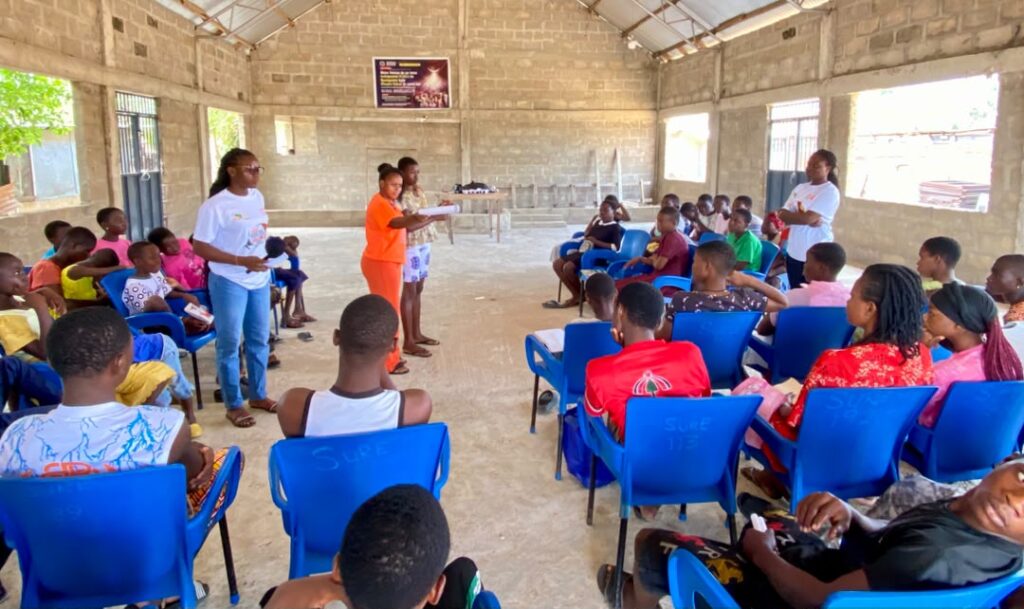
The programme, held on Monday, August 17, and Tuesday, August 18, 2026, provided an interactive platform for young boys and girls to acquire practical knowledge on issues affecting their health, wellbeing, personal safety and development.
Participants actively engaged facilitators with questions on sexual and reproductive health and rights (SRHR), menstrual hygiene, adolescent health, personal hygiene and gender-based violence, creating an open environment for discussion and learning.
Miss Solace Ahiable, a Public Health Nurse working with Developers NET, led sessions on sexual and reproductive health and rights, with particular emphasis on personal hygiene during menstruation and appropriate body care throughout adolescence.
She addressed some misconceptions surrounding menstruation and encouraged participants to regard the biological process as a normal aspect of female development.
“Menstruation is not abnormal; it is a natural and biological phenomenon that must happen to every female and must be accepted,” she explained.
Miss Ahiable also engaged the boys on the important role they could play in supporting their female colleagues, friends and relatives during menstruation, urging them to demonstrate understanding and provide the necessary support to girls during their menstrual periods instead of mocking, teasing or stigmatising them.
According to her, creating a supportive environment for girls during menstruation was essential to promoting their dignity, confidence and overall wellbeing.
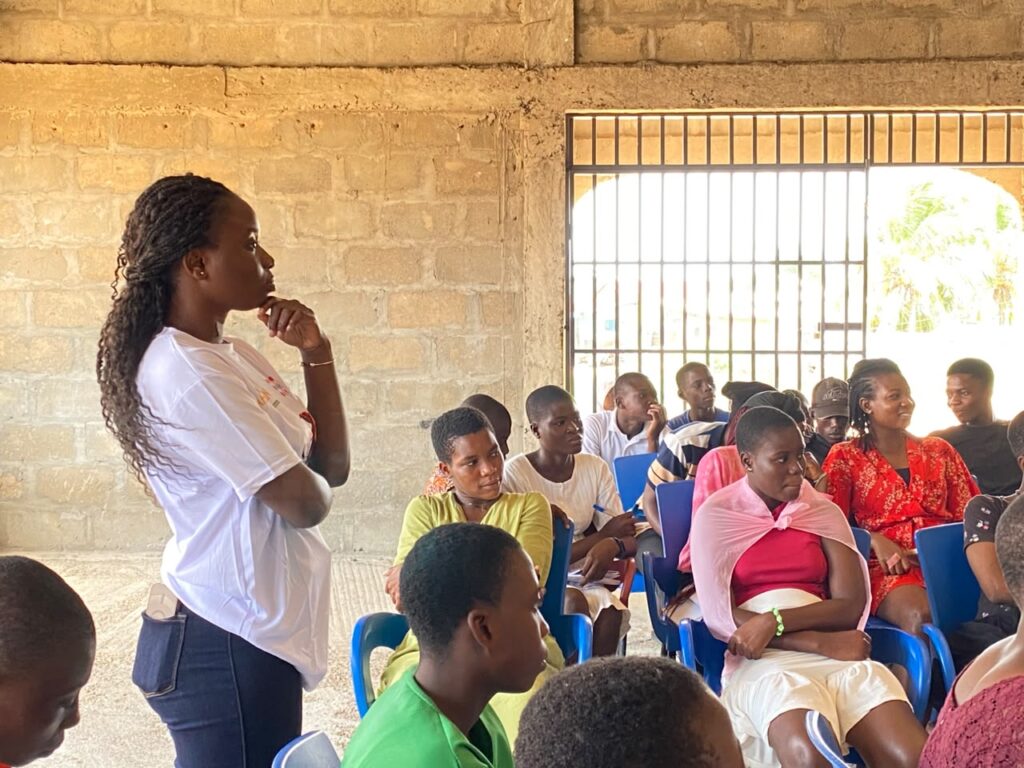
Miss Jemimah Amposah, another Public Health Nurse working with Developers NET, facilitated a session on gender-based violence (GBV), educating the adolescents on different forms of abuse and how they could protect themselves and seek assistance when necessary.
She explained various forms of abuse, including physical and emotional abuse and rape, and encouraged participants to remain vigilant and speak out when they experienced or witnessed abuse.
Miss Amposah urged the adolescents to report incidents of abuse to appropriate and trusted authorities rather than keeping such experiences to themselves despite the threat that might accompany them, stressing the importance of seeking help from responsible adults and relevant institutions capable of providing protection, support and appropriate intervention.
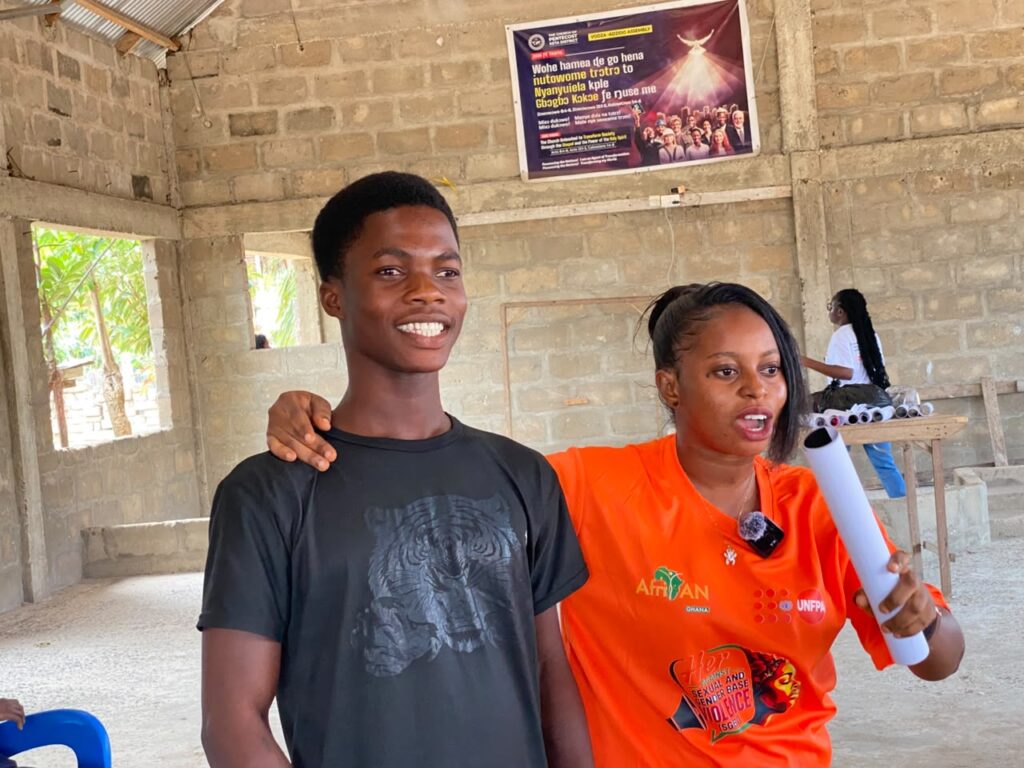
Some participants who spoke to Veritas News GH described the programme as useful and relevant to their everyday lives.
Senanu, a male participant from Adzido, said the programme had been particularly beneficial to him, noting that the lessons on personal hygiene would help him improve his understanding and practices.
Bless, a female participant from Vodza, said she had gained important knowledge about how to respond to abuse and where to seek help if she or someone around her experienced any form of abuse.
She said the knowledge acquired had increased her confidence to report incidents rather than remain silent.
The programme was initiated by Afri-YAN Ghana, with Developers NET serving as a sub-implementing partner, and is being supported financially by the United Nations Population Fund (UNFPA).
The initiative seeks to empower adolescents to make informed decisions about their bodies, understand and exercise their sexual and reproductive rights, and feel safe and protected within their communities.
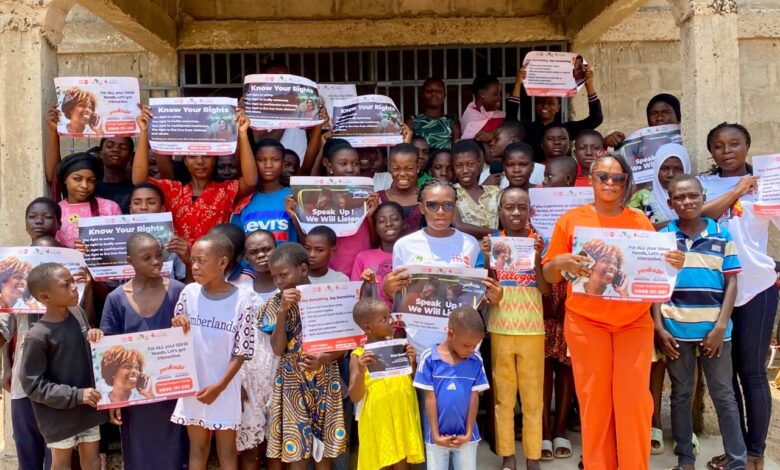
After the engagement on the second day, participants were allowed to undertake a community outreach exercise, during which they pasted flyers and distributed posters containing vital information on reporting gender-based violence (GBV), adolescent rights, and toll-free helpline numbers that victims and survivors could call to seek assistance and protection.
The project is currently being implemented in four districts in the Volta Region—Keta, Anloga, Adaklu and Akatsi North—with a focus on equipping adolescents with relevant knowledge and skills to make informed choices and protect themselves from health and social risks.
The two-day engagement in Adzido-Vodza therefore formed part of the broader intervention aimed at strengthening adolescent awareness, promoting healthy behaviours and creating safer and more supportive communities for young people across the participating districts.