2026 World Cup opener exposes geopolitical tensions as African fans turn against South Africa

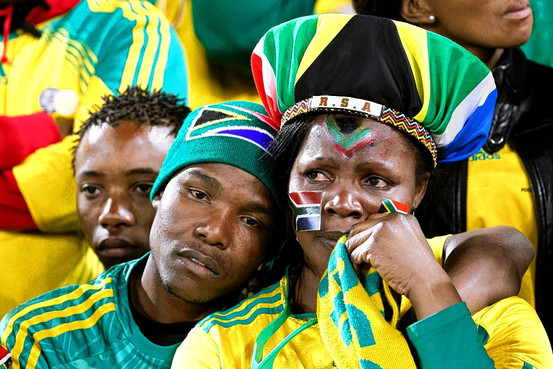
The opening matches of the 2026 FIFA World Cup have exposed a stark absence of the pan-African solidarity that historically defines the tournament. Instead of uniting behind their continental neighbors, vast numbers of football enthusiasts across Africa actively rooted for Mexico during the opening match against South Africa.
On the surface, the initial reaction appeared playful, filled with internet memes featuring tacos, sombreros, and mariachi bands. Beneath the humor lay a bitter regional grievance. This targeted backlash stemmed directly from widespread outrage over recent reports of anti-immigrant violence within South Africa.
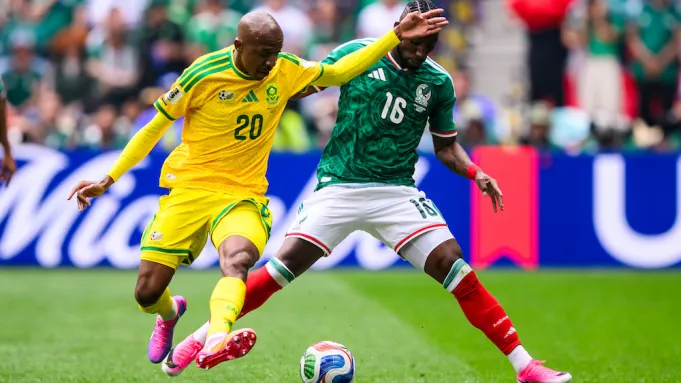
The regional friction worsened after a weak performance on the field culminated in a 2–0 loss to the tournament co-hosts. This year’s expanded tournament features ten different African squads, with matches hosted across Mexico, Canada, and the United States. The closing whistle triggered an absolute deluge of critical commentary across global networks. Local South African supporters immediately hit back, defending the dignity of their national squad, popularly known as Bafana Bafana.
Weaponizing Football Banter Over Migration Grievances
Prior to Thursday’s kickoff, many regional football fans justified their decision to support Mexico by pointing to ongoing immigration disputes in South Africa. Commentators used the international sporting stage to spotlight the difficult daily conditions endured by foreign residents in the country.
“You want people to cheer for you when you play soccer just because we’re African?” one X user asked, citing reports of mistreatment of migrants.
Other web users tied the sporting match directly to the domestic fiscal debates that regularly stoke anti-foreigner sentiment.
“We’re supporting Mexico so that South Africa can go back home early to protect their jobs,” another user posted, playing on the unfounded accusation that foreigners were responsible for South Africa’s high unemployment rate.
The dynamic on the field quickly turned into fuel for political arguments.
“I hope South Africa is not blaming African migrants for the 2–0 defeat and two red cards in the match against Mexico,” posted Ahmednasir Abdullahi, a prominent Kenyan lawyer.
Digital Protests and the Fracturing of African Solidarity
The internet backlash featured people adopting Mexican iconography as a deliberate form of political pushback. Web users distributed viral graphics embracing Mexican culture, swapped their avatars for Mexican flags, and took on Spanish handles alongside the caption “Mexico versus xenophobia”.
This distinct shift in allegiance showed up at international fan zones as well. Diaspora crowds expressed a clear feeling of broken continental trust.
“Africa is like one country and if one is chasing others, we are not a family any more. That’s why I’m supporting Mexico today,” Daniel Kaniki, a Congolese football supporter who was at a fan park in the US city of Atlanta, told Ghana Broadcasting Corporation (GBC).
Pockets of Continental Support and Historical Bonds
The continentwide rejection of South Africa was not absolute. Certain match-viewing spaces maintained their pan-African loyalties, framing the immigration crisis as a localized issue driven by specific groups rather than a nationwide trait.
Ghanaian Vanlare Quist was also at the Atlanta fan park and said he was rooting for South Africa. He added that he was “a proud African” and blamed the anti-immigrant sentiment in South Africa on a few individuals.
Historical ties in East Africa cultivated a much different atmosphere. In South Sudan, crowds at public viewing locations in the capital city of Juba vocalized clear support for Bafana Bafana. Local citizens feel a profound connection to South Africa, drawing parallels between their own historic war for independence from Sudan and the anti-apartheid liberation struggle against white-minority rule.
“It was unfortunate that on social media we saw some African countries supporting Mexico and even wearing Mexico jerseys. As South Sudanese, we are behind South
Africa and will continue to support South Africa – because they are representing Africa. So, all African countries must support South Africa during this World Cup,” 23-year-old student George Kenyi Charles Rehan told local media in Juba.
Pretoria and Citizen Backlash Defend the National Image
The South African state tried to keep the public focus entirely on athletic pride rather than regional political static. In an official statement, the South African government commended Bafana Bafana for their “spirited performance”. The statement added that while the final score was not what the nation had hoped for, the team “represented South Africa with unity, determination, and a sense of pride on the world’s biggest stage”.
South African social media users responded aggressively to the continental mockery. Local citizens dismissed the need for external validation from neighboring countries while standing firm on strict domestic border policies.
“We qualified for the World Cup alone without your support and whether we win or lose we will remain South Africans who love their country. And illegal immigrants will still leave our country whether you hate us or not,” one local fan posted on social media.
Another individual put forward a similarly uncompromising perspective.
“They can support Mexico all they want we are not backing down. Come to South Africa legally,” the post read.
The Real-World Crisis Escalating Beyond the Screen
The hostility on digital screens stems from severe, ongoing physical dangers. Foreign nationals from across the continent have faced intense waves of threats and harassment inside South Africa recently. Local anti-immigrant groups have issued an ultimatum, setting a June 30 deadline for undocumented foreign residents to exit the country.
The growing threat has forced a cautious balancing act from political leadership. President Cyril Ramaphosa has warned against people taking the law into their own hands, saying that “only authorised government officials can act against violations of our law”. Yet, facing immense domestic pressure, the president also stated that South Africans’ concerns “deserve to be heard, and they deserve to be addressed”.
This worsening situation has sparked an outright diplomatic emergency across the region. On Wednesday, Nigeria organized official flights to bring home a number of its citizens from South Africa. Ghana, Zimbabwe, and Malawi previously conducted similar state-led evacuations, emphasizing that they are treating the anti-immigrant ultimatums with absolute seriousness.
A large number of people from various African nations originally relocated to South Africa after the collapse of white-minority rule in 1994, seeking prosperity in a newly democratic society. Today, South Africa grapples with an unemployment rate that sits above 30%. This severe economic pressure has amplified anti-foreigner rhetoric, fueling mass protest marches through major metropolitan areas and exposing foreign nationals to targeted xenophobic assaults.
The Intersection of Sport and Continental Diplomacy
The dynamic surrounding the opening match proves how completely domestic legislation and regional migration struggles have fractured the historic concept of pan-African unity. While the World Cup traditionally acts as an environment for shared continental pride, the pitch has instead mirrored raw geopolitical polarization. As diplomatic pressure intensifies and state repatriation efforts expand, the friction between South Africa and its neighbours remains completely unresolved far beyond the stadium walls. This tournament will continue to reveal whether international sports can ever truly separate themselves from the complex socio-economic anxieties gripping the continent.
CREDIT:- gbcghanaonline.com